

Understanding what a partial denture is can make a real difference if you are living with missing teeth. Tooth loss can affect more than just the way your smile appears. It can also change how you eat, speak and care for your oral health. Many patients feel unsure about tooth replacement options and worry about cost, comfort or appearance.
What is a partial denture? A partial denture is a widely used denture solution that replaces one or more missing teeth while keeping the remaining teeth intact. It works alongside your natural teeth to restore balance, support and everyday function. Whether the gap is at the front teeth or toward the back of the mouth, partial dentures can help restore confidence and comfort.
This guide explains how partial dentures work, the types available, what to expect during dental treatment and how to care for them long term.
Understanding Partial Dentures in Simple Terms
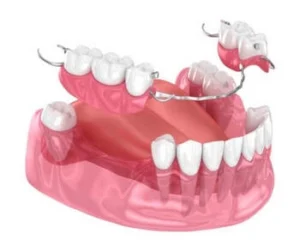 Partial dentures are appliances that can be removable or fixed and are designed to replace missing teeth in the upper or lower jaw. They are typically used when natural teeth remain, rather than when all teeth are missing.
They consist of artificial teeth attached to a base made from plastic, metal or flexible materials. The denture rests against the gums and connects to existing teeth using clasps, metal clips or a metal framework.
The main purpose of partial dentures is to restore function while protecting oral health. By filling gaps left by tooth loss, they help prevent remaining teeth from shifting and reduce uneven pressure on the jaw.
For many patients, partial dentures offer a practical balance between comfort, appearance and cost.
Why Replacing Missing Teeth Is Important
Failing to replace missing teeth can result in several oral health issues over time. Teeth rely on each other for support, and gaps can affect the entire mouth.
When teeth are missing, nearby teeth may tilt or move into the space. This can change the bite, increase wear and contribute to jaw pain. Bone loss may also occur in the jaw over time, which can affect facial shape and stability.
Replacing missing teeth helps maintain alignment, supports chewing and protects existing teeth from excessive strain. Partial dentures are one of the available tooth replacement options that help manage these concerns in a measured and conservative manner.
Different Types of Partial Dentures Explained
There is no single partial denture option that works for everyone. The most suitable choice depends on the number of missing teeth, the health of the gums and bone, and individual preferences for comfort and appearance.
Removable Partial Dentures
Removable partial dentures are the most common option. They can be taken out for cleaning and while sleeping.
These dentures typically consist of artificial teeth set into a plastic base that sits against the gums. Metal clasps or metal clips connect the denture to existing teeth for support. Some designs use a metal framework for added strength and durability.
Many patients choose removable partial dentures because they are cost-effective and adaptable over time if additional teeth are lost.
Flexible Partial Dentures
Flexible partial dentures are crafted from a soft, flexible plastic material designed to blend naturally with the gums. Instead of metal clasps, they use flexible clasps that hug the existing teeth.
Flexible dentures are often chosen for comfort and appearance, especially when replacing front teeth. They tend to feel lighter in the mouth and may be less noticeable when smiling.
Flexible partial dentures may not be suitable for every case, particularly when larger gaps or higher biting forces are involved.
Fixed Partial Denture Options
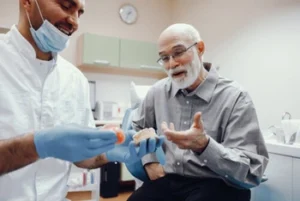 A fixed partial denture is not removable. It is often referred to as a fixed bridge. This type of denture relies on dental crowns placed on existing teeth to support the replacement tooth or teeth.
In this approach, two crowns are placed on the teeth on either side of the gap. The artificial tooth sits between them and is permanently secured.
Fixed partial dentures can offer excellent stability and a natural appearance, but they require reshaping of healthy teeth and may not suit all patients.
Partial Dentures Supported by Implants
In some cases, dental implants are used to support partial dentures. Implants act as artificial tooth roots placed into the jawbone.
Implant-supported dentures can improve stability and reduce pressure on remaining teeth. They are often considered when patients experience dentures that feel loose or when bone support is limited.
Implants involve a longer treatment process and higher cost, but they can offer long-term benefits for suitable candidates.
What Materials Are Used in Partial Dentures
Partial dentures are made from a range of materials chosen for strength, comfort and appearance.
Plastic bases are lightweight and cost-effective. Metal framework designs offer greater durability and thinner profiles. Flexible partial dentures use a plastic material designed to move with the mouth.
Artificial teeth are shaped and coloured to match natural teeth as closely as possible. The goal is to restore function while maintaining a natural-looking smile.
Your dentist will recommend materials based on your oral health, bite and personal needs.
The Dental Treatment Process Step by Step
Getting partial dentures involves several stages designed to ensure a comfortable and accurate fit.
The process typically starts with a comprehensive dental assessment. During this visit, the dentist evaluates your existing teeth, gums, jaw and bone structure, and may take X-rays or scans to help plan the treatment.
Impressions of the mouth are then used to create a custom denture. You may have a trial fitting to check appearance, bite and comfort before the final denture is made.
Once fitted, adjustments are often needed as the mouth adapts. This is a normal part of treatment and helps prevent sore spots or severe pain.
How Partial Dentures Feel in Everyday Life
Many patients worry about how partial dentures will feel at first. It is normal to experience a short adjustment period.
You may notice changes in speech, chewing or saliva flow initially. These sensations usually settle as the mouth adapts.
Partial dentures should feel supportive but not tight. If dentures feel loose, cause jaw pain or rub against the gums, adjustments are important.
With time, most patients find that partial dentures become a natural part of daily life.
Caring for Partial Dentures and Oral Health
Maintaining good oral hygiene plays a key role in the long-term success of partial dentures.
Dentures should be removed daily for cleaning. Use a soft toothbrush and mild cleanser designed for dentures. Avoid abrasive toothpaste, which can damage the surface.
Clean remaining teeth carefully to prevent decay and gum disease. Plaque around clasps or metal framework can affect existing teeth if not managed properly.
Rinse dentures after meals when possible. Regular dental check-ups help your dentist assess the fit of your denture, monitor your gums, and maintain your overall oral health.
Partial Dentures Cost and What Influences It
The cost of partial dentures varies widely based on several factors.
The number of missing teeth, materials used, type of denture and complexity of treatment all influence cost. Flexible partial dentures and implant-supported options tend to cost more than basic removable designs.
While cost is an important consideration, it is also helpful to think about comfort, durability and long-term oral health benefits.
Your dentist can provide a personalised treatment plan and explain options that balance function and affordability.
Common Challenges and How They Are Managed
Like any dental treatment, partial dentures can present challenges, especially in the early stages.
Some patients experience sore gums or pressure points. Others worry about appearance or feel self-conscious about false teeth.
These issues are usually manageable with adjustments, proper care and realistic expectations. Communication with your dentist is key to achieving a comfortable and functional outcome.
Over time, dentures may need relining or replacement as the jaw and gums change. Regular reviews help ensure the denture continues to rest comfortably and perform as intended.
Are Partial Dentures Right for You
Partial dentures suit many patients who want to replace missing teeth without extensive treatment. They are often recommended when remaining teeth are healthy and able to support the denture.
They may not be ideal in cases of advanced gum disease, severe bone loss or when patients prefer fixed options like implants or a fixed bridge.
A professional dental assessment is the best way to determine whether partial dentures are appropriate for your situation.
Who Is a Good Candidate for Partial Dentures?
Partial dentures can be a suitable tooth replacement option for many patients, but they are not the right solution for everyone. Understanding whether you are a good candidate helps set realistic expectations and supports long-term oral health.
Partial dentures are commonly recommended for patients who have lost one or more teeth but still have several healthy natural teeth remaining. These remaining teeth provide support and stability for the denture and help it sit comfortably in the mouth. Patients with gaps caused by tooth loss in the upper or lower jaw often benefit from partial dentures, particularly when the missing teeth affect chewing or appearance.
 Good gum health is also an important factor. Gums should be free from active infection and able to support the denture base without ongoing irritation. If gum disease is present, treatment may be needed before a partial denture is considered. Healthy bone levels in the jaw further improve comfort and stability, although partial dentures can still be an option when bone loss is mild to moderate.
Many patients choose partial dentures when they are looking for a conservative dental treatment that does not involve surgery. They can be a suitable option for people who are not candidates for dental implants or who prefer a removable solution. Partial dentures may also suit patients seeking a more affordable tooth replacement compared to fixed options.
Partial dentures can be particularly helpful for patients who experience jaw discomfort, shifting teeth or difficulty chewing due to missing teeth. When properly designed and fitted, they help distribute bite forces more evenly and reduce strain on the remaining teeth and jaw.
A comprehensive assessment by a dentist is essential to determine suitability. Your dentist will consider your oral health, existing teeth, jaw structure, lifestyle and personal preferences before recommending partial dentures or discussing alternative treatment options.
Living Confidently With a Partial Denture
A partial denture can restore more than just teeth. It can improve comfort, support facial structure and help protect long-term oral health.
For many patients, partial dentures offer a practical and adaptable solution to tooth loss. With proper care, realistic expectations and regular dental visits, they can remain a reliable part of daily life.
If you are considering a partial denture or would like personalised advice about tooth replacement, book an appointment with Balmoral Dental Centre at (07) 3113 9789 to discuss your options with an experienced dental team.
Note: Any surgical or invasive procedure carries risks. Before proceeding, you should seek a second opinion from an appropriately qualified health practitioner.
References
Colgate. (n.d.). The facts about abrasive toothpaste. https://www.colgate.com/en-us/oral-health/selecting-dental-products/the-facts-about-abrasive-toothpaste
Cleveland Clinic Abu Dhabi. (n.d.). Types of dental X-rays. https://www.clevelandclinicabudhabi.ae/en/health-hub/health-resource/diagnostics-and-testing/types-of-dental-x-rays
Healthdirect Australia. (n.d.). Dental implant. https://www.healthdirect.gov.au/dental-implant
ScienceDirect. (n.d.). Removable partial denture. https://www.sciencedirect.com/topics/medicine-and-dentistry/removable-partial-denture