

Many people want to improve their smile but feel unsure about visible metal braces or the overall cost of orthodontic treatment. This is where clear aligners are often considered. They offer a more discreet way to straighten teeth while fitting into daily life.
This guide explains how clear aligners work, who they may be suitable for, and what to expect from the process. It also covers practical points such as planning, comfort, and payment plan options.
What Are Clear Aligners And How Do They Work
Clear aligners are transparent trays that are custom-made to gradually move teeth into better positions. They are part of a structured aligner treatment that focuses on controlled and steady movement.
Unlike traditional braces, which use brackets and wires, aligners are removable. This means they can be taken out when eating, brushing, or attending special occasions.
 How Clear Aligner Therapy Moves Teeth
Clear aligner therapy works through a series of custom aligners. Each set is slightly different and applies gentle pressure to guide teeth into place.
Patients typically wear each aligner for a set period before moving to the next one. Over time, this step-by-step process helps straighten teeth and improve overall alignment.
Why Many People Choose Affordable Clear Aligners
There are several reasons why clear aligners have become a more widely used option for both adults and younger patients.
A More Discreet Approach
Clear aligners are often described as invisible braces due to their design. This makes them a more discreet option compared to braces with visible brackets and wires.
Flexibility In Daily Life
Because aligners are removable, they can be taken out when needed. This makes eating, cleaning, and attending events more convenient.
Comfort Compared To Braces
Without metal brackets or wires, many patients find aligners more comfortable. Some mild discomfort may still occur as teeth begin to move, but it is usually manageable.
How The Aligner Treatment Process Works
Understanding the process helps set clear expectations before starting treatment.
Initial Consultation And Assessment
The process begins with an initial consultation at a dental clinic. During this visit, the dentist examines your teeth and discusses your goals.
X-rays and digital scans may be taken to assess alignment and oral health. This helps determine whether clear aligners are suitable for your situation.
Creating A Personalised Treatment Plan
Based on your assessment, a personalised treatment plan is developed using the latest technology to guide how your teeth may move toward a new smile. This plan shows how your teeth are expected to move and gives an estimate of the treatment timeline.
Custom aligners are then created to match this plan.
Wearing And Changing Aligners
Patients are usually advised to wear their aligners for most of the day, removing them only when necessary. Each set is worn for a specific period before moving to the next stage.
Following the plan closely supports optimal results.
Who May Be Suitable For Clear Aligners
Clear aligners are suitable for many people, but not all cases are the same.
Common Situations Where Aligners Are Used
Aligners may be used to correct:
- Mild to moderate crowding
- Spacing between teeth
- Minor bite issues
They are often suitable for adults who prefer a more discreet option.
When Other Options May Be Considered
In some cases, traditional braces or other options may be more appropriate, particularly for more complex alignment concerns. A dentist can help guide this decision.
Understanding Cost And Payment Plan Options
Cost is often one of the main concerns when considering orthodontic treatment.
What Affects The Cost Of Treatment
The cost of aligner treatment can vary depending on:
- The complexity of the case
- The number of aligners required
- The length of the treatment plan
While cost can vary, discussing your treatment plan during a consultation can help clarify what is involved and how it may be managed. This allows you to understand the overall approach and explore suitable payment plan options based on your situation.
How To Clean And Care For Clear Aligners Properly
Keeping clear aligners clean is an important part of treatment. While general oral hygiene has already been covered, the aligners themselves also need regular care to stay clear, comfortable, and suitable for daily wear.
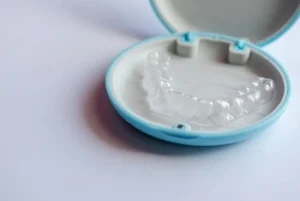 Aligners sit closely against the teeth for extended periods. This means they can collect saliva, plaque, and small particles if not cleaned properly. Rinsing them with lukewarm water when removing them is a simple first step. This helps prevent buildup before it settles.
A soft toothbrush can be used to gently clean the aligners. Brushing them lightly helps remove any surface residue. It is best to avoid using hot water, as this can affect the shape of the aligners. Since they are custom-made, even small changes in shape can affect how they fit.
Some patients choose to use cleaning solutions designed for aligners. These can help maintain clarity and reduce odour over time. If used, they should follow the instructions provided, and aligners should still be rinsed thoroughly before being worn again.
It is also important to avoid eating or drinking with aligners in place, unless advised otherwise. Food and coloured drinks can stain the aligners and make them more noticeable. Removing them during meals helps keep them clear and easier to maintain.
When aligners are not being worn, they should be stored in a protective case. Leaving them exposed can increase the chance of contamination or accidental damage. A consistent routine for storing and cleaning aligners helps reduce these risks.
Over time, each set of aligners is replaced as part of the treatment plan. Even so, keeping them clean throughout their use supports comfort and overall treatment progress.
If there are any concerns about cleaning methods or product use, it is best to check with a dentist. They can provide guidance based on the type of aligners being used and the specific treatment plan.
The Role Of Retainers After Treatment
Once the aligner treatment is complete, retainers are often recommended.
Retainers help maintain the new position of the teeth and reduce the chance of movement over time. Wearing them as advised supports long-term stability.
Comparing Clear Aligners And Traditional Braces
Both clear aligners and traditional braces are used to straighten teeth, but they work in different ways.
Clear aligners use removable trays, while braces rely on brackets and wires fixed to the teeth. Each option has its place depending on the complexity of the case and patient preference.
A dentist can explain which option may be suitable based on your individual needs.
Things To Consider Before Starting Treatment
Before beginning any orthodontic treatment, it is important to consider a few key factors.
Oral Health First
Conditions such as gum disease should be addressed before starting aligner treatment. Healthy gums support better outcomes.
Commitment To The Process
Aligners require consistency. Wearing them as advised and attending follow-up visits helps keep the treatment on track.
Realistic Expectations
Every smile is different. While aligners can help improve alignment, results vary based on individual factors.
Clear Aligners For Different Age Groups
Clear aligners are commonly used by adults, but they may also be suitable for younger patients in certain situations.
For younger patients, the stage of dental development, including the presence of baby teeth, is considered before starting treatment.
Choosing A Clinic For Clear Aligner Treatment
Selecting the right clinic is an important step in the process.
What To Look For
A dental team should provide:
- A clear explanation of the treatment plan
- Guidance on what to expect
- Ongoing support throughout the process
Australian smile clinics offering clear aligner therapy may also provide a range of services to support different needs.
How Long Clear Aligner Treatment Typically Takes
The length of clear aligner treatment can vary depending on how much tooth movement is needed. Some cases may take a shorter time, while others may take longer to reach the planned result.
For mild alignment concerns, treatment may take several months. More involved cases can take longer, especially where multiple teeth need to move in a coordinated way. The timeline is usually discussed early on, so patients have a general idea of what to expect before starting.
One of the key factors that affects timing is how consistently aligners are worn. Aligners are designed to work when they are in place for most of the day. If they are removed too often or not worn as advised, the teeth may not move as planned. This can extend the overall treatment time or require adjustments along the way.
The way teeth respond to movement also varies from person to person. Some people may progress steadily through each stage, while others may need small refinements before moving forward. These adjustments are a normal part of the process and help keep the treatment on track.
It is also important to understand that treatment does not end the moment the last aligner is worn. Retainers are usually recommended to help maintain the new position of the teeth. This is part of the overall timeline, even though the active movement phase has finished.
While timelines can differ, the process is designed to move teeth gradually and in a controlled way. This step-by-step approach supports a more stable outcome over time.
What Results You Can Expect From Clear Aligners
Clear aligners are designed to improve the position of teeth and create a more balanced smile. However, it is important to understand that results can vary depending on individual factors.
For many patients, aligners can noticeably improve alignment, spacing, and overall appearance, helping support a more balanced new smile without relying on unrealistic claims. Teeth may become more evenly positioned, and the smile may look more consistent. These changes often develop gradually throughout the treatment process.
In some cases, the goal is improvement rather than complete correction. This depends on the starting position of the teeth and how they respond to movement. A personalised treatment plan helps set realistic expectations from the beginning.
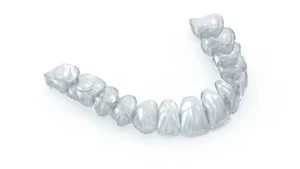 Consistency also plays a key role in the final outcome. Wearing aligners as advised supports better tracking of tooth movement and helps keep the treatment aligned with the original plan.
It is also common for small adjustments to be made near the end of treatment. These refinements allow for fine-tuning, helping to improve the final result where needed. This stage is a normal part of many aligner treatments.
After treatment, retainers are used to help maintain the results. Teeth can naturally shift over time, so ongoing care supports long-term stability.
Overall, clear aligners can help improve alignment and support a more even smile. The final outcome depends on a combination of planning, consistency, and how the teeth respond throughout the process.
Final Thoughts On Affordable Clear Aligners
Affordable clear aligners provide a practical option for straightening teeth in a more discreet and flexible way. With a personalised treatment plan, modern technology, and clear guidance, many patients find this approach fits well into their lifestyle.
If you are concerned about crooked or misaligned teeth or would like support with straightening your smile using clear aligners, you can book a consultation with us at Balmoral Dental Centre or call (07) 3113 9789 to discuss your situation and appropriate care options.
Resources
“Yilmaz, H.N. & colleagues (2019). ‘Orthodontic Treatment with Clear Aligners and The Scientific Reality Behind Their Marketing: A Literature Review’. Turk J Orthod, 1 December. Ankara, Turkey: Turkish Journal of Orthodontics. https://pmc.ncbi.nlm.nih.gov/articles/PMC7018497/
Cleveland Clinic (2023). ‘Teeth Braces’. Cleveland Clinic, 13 January. Cleveland, OH: Cleveland Clinic. https://my.clevelandclinic.org/health/treatments/24601-teeth-braces
Healthdirect Australia (2025). ‘Gum disease’. Healthdirect Australia, February. Sydney, NSW: Healthdirect Australia. https://www.healthdirect.gov.au/gum-disease
Orthodontics Australia (2024). ‘How to retain a brand-new smile’. Orthodontics Australia, 25 March. Australia: Australian Society of Orthodontists. https://orthodonticsaustralia.org.au/retain-brand-new-smile/