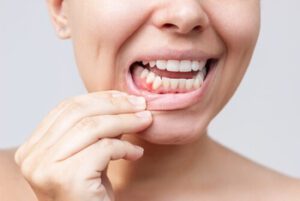
Oral health is often associated with having straight, white, and cavity-free teeth. But have you ever stopped to think about your gums? Have you ever noticed white gums around your teeth and wondered what’s going on? While healthy gums are typically pink and firm, white gums can be a sign that something needs attention. Let’s explore what white gums around teeth might mean, what causes them, and how you can care for your gum tissue to support overall oral health.
Healthy Gums vs White Gums: What’s the Difference?
Healthy gums should be:
Firm and pale to medium pink
Tightly wrapped around each tooth
Free from swelling, sores, or unusual patches
But if the gums surrounding your teeth start to look white, pale, or patchy, it could signal anything from minor irritation to more serious health concerns. Sometimes, it’s temporary and harmless, but in other cases, it may require prompt dental or medical attention.
So, Why Are My Gums White?
There are several potential causes of white gums, and they range from mild to more serious. Let’s go through the most common ones.
1. Poor Oral Hygiene Habits
A common reason for white gums is poor oral hygiene. Failing to brush and floss effectively can cause plaque to build up, leading to irritation and inflammation along the gum line.
Signs may include:
White or pale patches on the gums surrounding your teeth
Loose teeth
Bleeding while brushing
Swollen or sore mouth tissues
Improving your oral hygiene by brushing twice daily with fluoride toothpaste, flossing, and using an alcohol-free mouth rinse can help reverse early symptoms and prevent gum disease.
2. Gum Disease
Gum disease, also known as gingivitis or periodontitis in advanced cases, can cause the gums to turn white due to infection and inflammation. The immune system’s reaction to a bacterial infection can result in tissue damage, changes in gum colour, and gum recession.
Other symptoms include:
Bad breath
Loose teeth
Bleeding when brushing
A pulling away of the gum line from teeth
Without prompt treatment, gum inflammation can affect the underlying bone structure and result in tooth loss. Professional dental treatments and improved dental hygiene habits are essential to manage this condition.
3. Oral Thrush (Oral Candidiasis)
White, creamy patches in the entire mouth, including the gums, tongue, and cheeks, can be a sign of oral thrush, a yeast infection caused by the overgrowth of Candida albicans.
People with weakened immune systems, those on antibiotics, or those with chronic illnesses like diabetes are more susceptible. Thrush may make your mouth tissues sore and sensitive, especially when eating or brushing.
Treatment often involves antifungal medications, maintaining good oral hygiene, and addressing any underlying health problems.
4. Oral Lichen Planus
This is a chronic autoimmune condition that affects the sensitive mouth tissues, including your gums, cheeks, and tongue. It appears as lacy white patches and may cause burning pain or mouth sores.
Although the precise cause isn’t known, factors such as stress, allergies or immune dysfunction could be involved. Oral lichen planus is not contagious but does require professional monitoring and sometimes prescription medication to manage inflammation.
5. Canker Sores or Mouth Ulcers
Canker sores can appear on the gum tissue, making the area around them look white or pale. These are small, painful mouth ulcers that usually heal on their own within 1 to 2 weeks.
They’re often triggered by:
Stress or fatigue
Certain foods (like citrus or spicy items)
Minor mouth injuries
Braces or ill-fitting dentures
Using inflammation-numbing gels, avoiding irritants, and maintaining a balanced diet can support healing.
6. Nutritional Deficiencies
A lack of certain nutrients, especially iron, folate, or vitamin B12, can affect red blood cells and lead to pale gums or even white patches in the mouth. This may also be accompanied by:
Pale skin
Fatigue
Dizziness
Mouth ulcers
Addressing these deficiencies through diet or supplements, under a healthcare provider’s guidance, can help restore healthy gum tissue.
7. Teeth Whitening and Sensitivity
Following professional teeth whitening or the use of at-home whitening kits, your gums might temporarily look lighter in colour. This is usually due to minor irritation or chemical exposure to the mouth tissues.
If the white gums are persistent or painful, it’s best to speak with your dentist. Using a soft or medium toothbrush and avoiding overuse of whitening products can help protect your gums.
8. Smoking and Chewing Tobacco
Tobacco use is known to damage the gum tissue and restrict blood flow, leading to white gums, dryness, or discolouration. In some cases, it can even lead to oral cavity cancer.
Symptoms to watch out for include:
Persistent white patches
Hard lumps
Chronic sores
Loose teeth
Quitting tobacco and having regular dental checkups are essential steps in maintaining oral health.
9. Tooth Extraction Healing
After a tooth extraction, the area around the socket may temporarily look pale or white as part of the healing process. This may be due to a blood clot, fibrin covering the site, or new tissue forming.
However, if you notice white gums accompanied by swelling, pain, or foul odour, it could indicate an infection or dry socket. Follow all aftercare instructions, and contact your dentist if symptoms worsen.
10. Oral Cancer and White Patches
Though rare, persistent white gums, especially when paired with white patches, mouth infections, or sores that do not heal, can sometimes be early signs of oral cancer.
Risk factors include:
Smoking or chewing tobacco
Heavy alcohol use
Family history of oral cancer cases
HPV infection
Developing oral cancer often presents with white patches, unexplained loose teeth, or bleeding gums. If you notice anything unusual, don’t wait. Early diagnosis improves outcomes significantly.
Other Possible Causes of White Gums
Medical treatments such as chemotherapy or radiation
Hormonal changes (especially during pregnancy)
Allergic reactions to dental products
Chronic illnesses like lupus or Crohn’s disease
Understanding the underlying cause is key to proper treatment. A dental or medical professional will assess your oral health history and perform exams to determine the next steps.
How to Manage and Prevent White Gums
Managing and preventing white gums starts with understanding what causes them. From improving daily oral care to addressing underlying health conditions, the right approach can help restore healthy gum colour and protect your overall oral health. Here’s how you can take control and keep your gums in top shape.
1. Maintain Good Oral Hygiene
This is your first line of defence. Daily brushing and flossing, using fluoride toothpaste, and rinsing with an alcohol-free mouth rinse can help keep your gum line clean and healthy.
2. Schedule Regular Dental Checkups
Visit your dentist every 6 months or as recommended. Professional cleans remove built-up plaque and tartar, helping you prevent gum disease, tooth decay, and infections before they start.
3. Eat a Balanced Diet
Foods rich in iron, folate, and vitamin B12 help support healthy red blood cells and keep your gums nourished. Stay hydrated and minimise sugary or acidic foods that contribute to plaque buildup.
4. Quit Smoking and Avoid Tobacco
Tobacco is harmful to the entire oral cavity. Quitting helps reduce the risk of oral cancer, improves circulation to gum tissues, and allows for better healing after dental treatments.
5. Use Gentle Dental Products
Choose a soft or medium toothbrush and avoid harsh whitening toothpaste or mouth rinses with alcohol. If you have sensitive mouth tissues, look for products formulated for gentle care.
6. Manage Chronic Conditions
Work with your healthcare provider to manage any chronic illnesses or immune-related conditions that may affect your oral health. This helps reduce the chance of white gums caused by systemic issues.
7. Follow Prescribed Treatment Plans
If your dentist or doctor prescribes medication or treatment, be consistent. Whether it’s antifungals for oral candidiasis or medicated rinses for oral lichen planus, follow instructions carefully.
Don’t Ignore the Signs: When Your Gums Need a Dentist’s Help
Not every change in your gums is an emergency, but some signs should never be ignored. White gums might be harmless, but they could also signal a deeper underlying cause that needs professional attention. So, how do you know when it’s time to book an appointment?
Here are the key signs it’s best to see your dentist:
White patches that don’t go away after a week or more
Pain, swelling, or bleeding in the gums or surrounding areas
Loose teeth or gums pulling away from the teeth
A persistent sore, ulcer, or lump in the mouth
Foul breath or bad taste that doesn’t improve with brushing
Difficulty eating, swallowing, or speaking comfortably
Gum tissue that looks unusually pale or spongy
It’s also a good idea to schedule a dental checkup if:
You’ve recently had teeth professionally whitened and noticed unusual gum changes
You’ve been dealing with chronic illnesses that might impact your oral health
Do you smoke or use chewing tobacco regularly
You have a weakened immune system or are taking medications that affect your mouth tissues
Early detection makes a significant difference in managing white gum conditions, especially if the cause is linked to gum disease, oral infections, or potentially oral cancer. A dentist can perform a detailed oral examination, pinpoint the underlying health problems, and recommend a prescribed treatment plan tailored to your needs.
Don’t wait for symptoms to worsen. If something doesn’t look or feel right in your mouth, your dentist is your best resource for peace of mind and effective care.
FAQs About White Gums Around Teeth
What do white gums mean?
White gums can be caused by poor oral hygiene, fungal infections, autoimmune conditions, or even oral cancer. It’s important to identify the cause early.
Are white gums reversible?
In many cases, yes. Improving dental hygiene, treating infections, and following medical advice can help gums return to a healthy colour.
Can teeth whitening cause white gums?
Yes, especially if the whitening agent comes into contact with the gums. The effect is usually temporary and resolves on its own.
Should I worry about white patches on my gums?
Persistent or painful white patches may need professional evaluation to rule out conditions like oral thrush or oral cancer.
Can a vitamin deficiency cause white gums?
Yes, especially deficiencies in iron, folate, or B12. These can affect your red blood cells and lead to pale gums.
Final Thoughts: Don’t Ignore White Gums
Your gums play a crucial role in your oral health, and changes in their colour can reveal a lot about what’s happening in your body. While white gums may be harmless in some cases, they can also be a red flag for bacterial infection, gum disease, or even oral cancer.
By maintaining good oral hygiene, eating a balanced diet, and seeing your dentist regularly, you can protect your gum tissue and manage most white gum conditions effectively.
If you notice anything out of the ordinary, trust your instincts and book a consultation with Balmoral Dental Centre at (07) 3113 9789. A small change in your mouth tissues might be your body’s way of signalling that it needs support.
Keep brushing, keep smiling, and never underestimate the power of preventive care.
References
Mandal, A. (n.d.). What causes white gums? Medical News Today. Retrieved from https://www.medicalnewstoday.com/articles/321640
WebMD. (n.d.). Teeth whitening and bleaching. Retrieved from https://www.webmd.com/oral-health/teeth-whitening-and-bleaching
Better Health Channel. (n.d.). Mouth ulcers. Retrieved from https://www.betterhealth.vic.gov.au/health/conditionsandtreatments/mouth-ulcers
Cleveland Clinic. (n.d.). Candidiasis. Retrieved from https://my.clevelandclinic.org/health/diseases/23198-candidiasis
This helps give our patients who are undergoing treatment at our clinic peace of mind knowing that we have demonstrated evidence-based quality standards of care.
If you have an urgent problem, call us on (07) 3113 9789. We will almost always be available to help out as times are reserved every day for emergencies, including Saturdays and Sundays.