

A dental implant is designed to function like your natural teeth, offering strength, stability, and comfort. When everything is working well, you should barely notice it. But if you ever feel that something is “off”, such as a strange movement or discomfort around the implant site, you may be experiencing symptoms of loose dental implant crown issues.
Understanding these early signs is important for protecting your oral health and preventing further complications. With timely intervention, proper care, and professional support, your implant can continue to serve you reliably for many years.
Understanding Why a Dental Implant Crown Might Become Loose
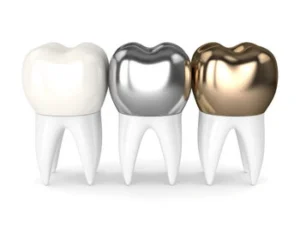 A loose dental implant crown can happen for several reasons. Although the implant fixture itself is placed into the jawbone, the prosthetic tooth that sits above it is attached using either screw- or cement-retained crowns. Over time, normal wear, chewing forces, teeth grinding, or accidental trauma can affect this connection.
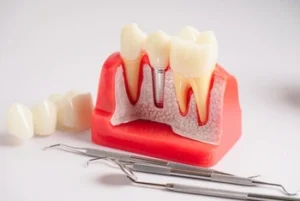
A loose implant can also stem from issues deeper within the implant structure. For example, screw loosening, bone loss, gum disease, or damage to the surrounding bone may create instability. In some cases, poor oral hygiene, hard or sticky foods, or too much pressure on the implant area may cause additional stress. Early treatment is essential because delaying treatment may lead to further damage or even implant failure.
Key Symptoms of a Loose Dental Implant Crown
If you suspect your implant crown is loose, paying attention to the following symptoms can help you seek immediate dental attention before the issue worsens.
1. Noticeable movement around the implant
One of the most common symptoms of loose dental implant crown problems is movement. If you feel the dental implant crown shifting, rocking, or twisting when you chew or speak, it often indicates a loose abutment, screw loosening, or an issue with the actual implant.
Movement should never be ignored. Even slight shifting can place excessive force on the implant post and implant fixture, increasing the risk of further complications.
2. Discomfort or pain when biting down
Although healthy implants should feel comfortable during everyday use, a loose dental implant crown can cause discomfort or a sharp sensation when biting. This may be due to pressure being placed on surrounding teeth or the implant post not being fully supported.
Pain during chewing may also signal gum inflammation, gum irritation, or early signs of infection around the implant site.
3. Changes in how your bite feels
If your dental implant feels loose, you may notice that your bite no longer lines up the way it normally does. A loose crown can cause uneven contact with adjacent teeth, which may create jaw strain or changes in how your natural teeth meet.
This shift can place unnecessary tension on the implant area, potentially leading to further complications if ignored.
4. Clicking or tapping sounds when chewing
A loose implant crown may make small clicking noises when you chew. These sounds usually come from movement between the crown and the implant structure. While it might seem minor at first, it should still be considered a dental emergency because any mobility can compromise the stability of the implant.
5. Swelling, redness, or gum irritation around the implant
Healthy gums play a vital role in supporting your implant. If you notice swelling, bleeding, redness, or irritation around the implant, it may indicate inflammation of the gum tissue. Poor oral hygiene, trapped food, sticky foods, or mild infection can cause these symptoms.
If left untreated, gum disease around the implant can progress and affect the surrounding bone, putting the entire implant at risk.
6. Bad taste or odour coming from the implant area
A loose crown can create small gaps where bacteria and food particles accumulate. Over time, this can lead to infection, irritation, or gum disease. A persistent bad taste or unpleasant odour may be one of the early symptoms of a loose dental implant crown and requires prompt dental evaluation.
7. Visible gaps between the implant crown and the gums
Sometimes the issue is noticeable in the mirror. If you see a small space forming between your prosthetic tooth and the gum tissue, it may indicate that the implant crown is loose or that the surrounding gums have receded.
Visible gaps may also allow more bacteria to enter the implant area, increasing the chance of further damage.
Why a Loose Dental Implant Crown Should Never Be Ignored
Even if the symptoms seem minor, delaying treatment increases the risk of implant failure. A loose dental implant can place stress on the implant fixture and entire implant structure. This can cause fractured screws, damage to the underlying bone structure, or loss of stability in the implant post.
 Other risks include:
- bone loss around the implant
- gum disease that spreads deeper into the implant site
- infection that may require bone grafting
- complications that affect the surrounding teeth
- the need for a new implant if the existing crown or implant fails
Timely intervention can prevent these issues, protect the implant, and ensure your long-term dental health.
Common Causes of a Loose Dental Implant Crown
Understanding the underlying cause helps your dental professional recommend the most appropriate treatment.
Screw loosening
Over time, the small screw connecting the crown to the implant may loosen due to normal wear, grinding teeth, or excessive force.
Wear and tear on the existing crown.
Daily chewing, contact with hard or sticky foods, or normal ageing of dental materials can weaken the connection.
Gum disease and inflammation
If inflammation affects the surrounding gums or the jawbone, the support around the implant may be compromised.
Poor oral hygiene
Not maintaining good oral hygiene can lead to infection and gum disease around the implant.
Bone loss
If the surrounding bone loses density or volume, the stability of the implant may weaken.
Teeth grinding or clenching.
Grinding teeth places excess strain on the implant site, especially when the implant crown is already weakened.
What To Do If Your Implant Crown Is Loose
If your implant crown is loose or your dental implant feels loose, it is important to seek immediate dental attention. Avoid wiggling the crown or applying pressure to the implant site.
Here is what you should do:
1. Schedule an emergency appointment
A dental appointment should be arranged as soon as possible. A loose implant crown is not something that fixes itself and requires a dental professional to assess the issue.
2. Avoid chewing on the affected side
Let the implant area rest and avoid using it for chewing. Hard foods or sticky foods may worsen the looseness.
3. Maintain good oral hygiene
Keep the area clean without brushing too aggressively. Healthy gums are essential for implant stability.
4. Follow the advice of your dental professional
After a dental evaluation, your provider will recommend the appropriate treatment options, which may include tightening the screw, adjusting the bite, replacing the loose crown, treating gum inflammation, or addressing any underlying cause.
Treatment Options for a Loose Dental Implant Crown
Treatment depends on the severity and cause of the looseness.
Tightening the screw
If the cause is screw loosening, the dental professional may simply tighten the small screw that holds the crown in place.
Replacing the loose crown
If the existing crown is damaged, worn, or fractured, a new crown may be recommended.
Treating gum disease
If gum disease is present, the dental professional will focus on restoring healthy gums and eliminating inflammation.
Bone grafting
If bone loss has occurred, bone grafting may be necessary to support the implant and prevent further complications.
Addressing bite issues
If too much pressure is being placed on the implant from surrounding teeth, adjustments may be made to improve bite alignment.
Final Thoughts
 A loose dental implant crown should always be taken seriously. Identifying issues early and seeking timely intervention can help you avoid further complications and support the long-term success of your implant dentistry. Whether it is minor screw loosening, gum irritation, or changes in the surrounding bone, seeking immediate dental attention ensures that the implant remains stable, functional, and comfortable.
With proper care, regular dental checkups, and good oral hygiene, you can continue to rely on your implant to replace missing teeth and support your overall dental health for many years.
If you notice any changes around your implant, contact Balmoral Dental Centre at (07) 3113 9789 to book a thorough evaluation and receive personalised care.
Note: Any surgical or invasive procedure carries risks. Before proceeding, you should seek a second opinion from an appropriately qualified health practitioner.
References
Cleveland Clinic. (2023, December 18). Bruxism (Teeth Grinding): Symptoms, Causes & Treatment. Retrieved from https://my.clevelandclinic.org/health/diseases/10955-teeth-grinding-bruxism
Mayo Clinic Staff. (2023, November 16). Gingivitis – Symptoms and causes. Retrieved from https://www.mayoclinic.org/diseases-conditions/gingivitis/symptoms-causes/syc-20354453
Higuera, V. (2018, September 5). What to Know About Dental Implant Complications and Failure. Healthline. Retrieved from https://www.healthline.com/health/dental-implant-problems