

Few things rattle a parent faster than noticing a sudden bad breath in toddlers who, moments earlier, smelled only of baby shampoo. While an unpleasant smell from a child’s mouth can be startling, it is rarely a sign of something disastrous. More often, it flags an easily addressed underlying cause, such as leftover food particles or a mild sinus infection. This comprehensive guide breaks down the common (and not-so-common) reasons for your toddler’s bad breath, the difference between everyday odours and chronic bad breath, and the practical steps you can take to restore fresh air to bedtime cuddles.
Why Does My Toddler Suddenly Smell Like This?
Sudden bad breath in toddlers can take parents by surprise, especially when morning breath turns into a lingering issue throughout the day. Here are the most common reasons your toddler’s bad breath may suddenly worsen:
Poor Oral Hygiene
- Skipping regular brushing lets food debris and odour-causing bacteria build-up
- These bacteria sit between baby teeth, along the gum line, and on the tongue
- This leads to bad breath in toddlers and potentially tooth decay or gum disease
Mouth Breathing or Dry Mouth
- Mouth breathing (often from nasal congestion) reduces saliva flow
- Less saliva means less natural cleaning, causing dry mouth and bad breath in kids
Stinky or Smelly Foods
- Certain foods like garlic, onion or fish may cause a lingering unpleasant smell
- Toddlers metabolise stinky foods differently, amplifying odour in the oral cavity
ENT-Related Issues
- Sinus infections, post-nasal drip, or foreign objects in the nasal passages can all affect the child’s breath
- Look out for signs like a runny nose, swollen tonsils, or breathing through the mouth
Dental Problems
- Hidden dental infections, or tooth decay, or early gum disease may cause chronic bad breath
- These issues often aren’t visible without a proper check of your child’s teeth
Medical Conditions
- Though rare, conditions like kidney failure or reflux can affect your child’s mouth odour
- Some medications and health conditions may also be contributing factors
How Poor Oral Hygiene Makes Toddler Breath Worse
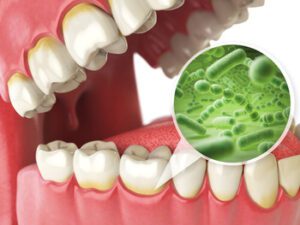
Good habits begin early. An age-appropriate oral hygiene routine involves:
- Regular brushing twice daily with a rice-grain-sized smear of low-fluoride paste on a soft brush.
- Introducing a silicone tongue scraper (or gently brushing the tongue) once dexterity improves.
- Wiping gums after night-time feeds to dislodge sweet milk residue.
- Scheduling regular checkups with a dentist experienced in paediatric dentistry.
Could It Be Something Stuck in the Nose or Throat?
Toddlers are explorers; beads, peas, and even bits of foam from stuffed animals have been discovered in tiny nostrils. A foreign object in the nose blocks airflow, prompting mouth breathing and leading to a localised infection. Likewise, swollen tonsils, enlarged tonsils, or tonsil stones trap bacteria and emit foul aromas. If you notice one-sided discharge, a bad smell from one nostril, or your toddler complaining of discomfort while swallowing, seek medical attention swiftly.
Sinus, Allergy, and Respiratory Triggers
Seasonal allergies inflame nasal tissue, contributing to a stagnant pool of mucus where bacteria thrive. Post-nasal drip slides down the throat, coating the back of the tongue, and mixes with oral bacteria to create that tell-tale odour. Prolonged congestion often forces a child to breathe through the mouth, worsening dry mouth and making breath in toddlers smell even stronger.
Key respiratory culprits include:
- Viral colds and sinus infections (acute or chronic)
- Ongoing sinus infection after antibiotics
- Asthma medications that dry the mouth (classified under certain medications)
When Dental Issues Are to Blame
Child’s teeth erupt with tiny grooves perfect for harbouring cavity-causing bacteria. If plaque remains, tooth decay develops, creating holes where bacteria hide, releasing gases and producing persistent bad breath in children.
Signs a dental issue might be brewing:
- Discolouration or pitting on chewing surfaces
- Complaints of tooth pain during meals
- Sensitivity to hot or cold drinks
- An inflamed gum margin that bleeds during brushing
If one or more symptoms appear, a dentist can investigate using gentle radiographs. Early detection prevents progression to abscesses or systemic health conditions.
Medical Conditions That Influence Toddler Breath
While rare, certain medical conditions can change odour profiles:
- Kidney failure or metabolic disorders may lend a fishy or ammonia-like scent.
- Gastro-oesophageal reflux introduces stomach acids into the mouth.
- Severe dry mouth from dehydration or salivary gland issues.
If your child’s breath has an unusual or persistent smell that doesn’t improve with good hygiene and hydration, it may be worth monitoring alongside other symptoms like fatigue, fever, or changes in eating. In such cases, don’t delay seeking medical attention to ensure nothing more serious is at play.
Step-by-Step Plan to Treat Bad Breath
Simple changes can make a big difference in toddler breath.
- Audit oral care
- Review the toothbrushing technique; set a timer for two minutes.
- Clean the tongue gently where bacteria collect.
- Replace toothbrushes every three months or sooner after illness.
- Hydration and diet tweaks
- Encourage toddlers to drink plenty of water (not juice) to boost saliva flow.
- Limit smelly foods or stinky foods before school or daycare.
- Tackle nasal issues
- Use saline sprays or humidifiers for mild nasal congestion.
- Seek an ENT review if blocked passages, a runny nose, or snoring persists.
- Clean comfort items
- Wash blankets and stuffed animals weekly; bacteria cling to drool-soaked toys.
- Seek professional advice
- Book a dental check to rule out dental infections, gum disease, or an underlying condition.
- If antibiotics or certain medications are prescribed, ask if probiotics or xylitol rinses can help restore balance.
Frequently Asked Questions About Toddler Halitosis
Common queries parents ask when their toddler’s breath becomes a concern.
Q: Does “morning breath” mean my child has poor oral hygiene?
A: Not necessarily. Overnight, saliva production decreases, and the mouth becomes dry. A rinse and brush usually erase mild odour. Persistent smell indicates plaque build-up or other issues.
Q: How can I tell if it’s a sinus infection or a dental problem?
A: Sinus infections often bring facial pressure, green discharge, and a cough. A dental issue typically shows localised gum swelling or visible decay. Only a dentist determines the exact source using X-rays.
Q: Can enlarged tonsils cause chronic bad breath?
A: Yes. Swollen tonsils develop crypts that collect bacteria and debris, forming tonsil stones. Removing or reducing tonsil tissue can alleviate odour.
Q: Should I use mouthwash on a toddler?
A: Most commercial rinses contain alcohol or ingredients unsuitable for young children. Instead, focus on brushing, flossing, and possibly a dentist-recommended xylitol spray.
Preventing Future Breath Problems

- Establish an enjoyable night-time oral hygiene routine (story, brush, cuddle).
- Introduce a reward chart for regular brushing.
- Teach rinsing after smelly foods like tuna or curry.
- Schedule six-monthly regular checkups.
- Keep nasal passages clear during allergy season with paediatric-friendly sprays.
- Model good habits by brushing teeth together.
Lifestyle Factors That Influence Toddler Breath (and How to Tweak Them)
Even when you’ve mastered an excellent oral hygiene routine, day-to-day habits still shape the smell-print of a child’s breath. Below are lesser-known, but highly fixable, causes of bad breath that parents often overlook.
Daytime Mouth Breathing
Many toddlers fall into open-mouth napping because of blocked nasal passages, nasal congestion, or simply the comfort of a dummy. Unfortunately, this habit creates a mini-desert in the oral cavity. Reduced saliva flow limits the mouth’s natural rinsing mechanism, promoting odour-causing bacteria on the tongue, gums, and baby teeth.
Tweak it: Encourage nose breathing by treating the blockage, such as using saline mists for a cold, antihistamine drops for seasonal allergies, or seeking an ENT review if enlarged tonsils or a deviated septum is suspected.
Stuffy Bedrooms and Dehydration
Indoor heating and air-conditioning dry the air, which can trigger dry mouth overnight. Combine that with a toddler who forgets to drink plenty of water during play, and you have the perfect storm for chronic bad breath.
Tweak it: Run a cool-mist humidifier, offer a spill-proof water bottle, and set “sip breaks” every hour.
Dietary Dominoes
What a child eats leaves residue. Sticky sultanas glue themselves between teeth; processed snacks cling to grooves, and smelly foods like tinned tuna or fried garlic can linger. Protein-heavy diets also break down into sulphur compounds, while sugar fuels bacteria sitting along the gumline.
Tweak it: Rotate in crunchy veg such as carrots or cucumber sticks that scrape away food debris after meals. Follow up with water, not juice.
Stuffed Animals and Cot Friends
Well-loved plush buddies absorb drool. Over time, they become bacterial bunkers that re-seed the child’s mouth with an unpleasant smell.
Tweak it: Machine-wash plush toys weekly on a gentle cycle; sun-dry when possible.
Hidden ENT Challenges
Recurring earaches, runny nose, or a raspy throat might hint at undiagnosed sinus infections or post-nasal drip, both of which are notorious for producing bad breath in kids.
Tweak it: Keep a diary of episodes and bring it up during your child’s next medical check-up. Early treatment of underlying issues like allergies or infections can help stop bad breath before it starts.
Coaching Your Toddler Toward Lifelong Fresh Breath
Transforming toddlers’ breath is less about policing and more about empowerment. Think of yourself as a breath coach, guiding your child toward good habits that will protect their oral health well into adulthood.
Create a “Feel, Smell, Brush” Game
Let your child rub a tiny bit of sugar-free jam on the tongue, wait ten minutes, then smell each other’s breaths. Next, do a two-minute regular brushing session followed by a sniff test. Toddlers quickly grasp how food particles cause bad breath in children and how brushing fixes it.
Introduce Fun Tools
- Tongue scraper: A dolphin-shaped silicone scraper turns cleaning the tongue into playtime.
- Coloured sand timers or a phone song playlist ensure brushing long enough.
- Sticker charts reinforce twice-daily “sparkle time”.
Model Mouth-Healthy Snacking
Choose snack platters that naturally clean the child’s teeth: firm cheese cubes (neutralises acid), apple slices (wipes plaque), and celery sticks (boosts saliva flow). Keep stinky foods for weekends.
Teach the “Superhero Sip”
Explain that water is like a cape that sweeps away odour-causing bacteria. Anytime the mouth feels “yucky,” take a superhero sip. Over time, water displaces sugary cordials that worsen poor oral hygiene and tooth decay risk.
Schedule Story-Book Dental Visits
Read picture books about friendly dentists before each appointment. Visiting a dentist twice a year normalises regular checkups and helps the dentist spot tiny dental issues before they become large dental infections that contribute to a toddler’s bad breath.
Summing Up the Extra Mile
Addressing sudden bad breath in toddlers is a holistic adventure, from little noses and sticky toys to what ends up on dinner plates. Focus on good oral hygiene, ample hydration, and swift treatment of medical conditions that might lie beneath the surface. By weaving playful education into your routine, you’ll not only treat bad breath but also lay a resilient foundation for your child’s lifelong well-being.
When to Seek Immediate Medical Attention

- Sudden, sharp oral pain plus swelling
- Fever with foul odour and facial puffiness
- Foreign objects stuck in the nose or throat
- Breath that smells fruity (possible diabetes) or ammonia-like (possible renal issues)
Early medical attention prevents complications and keeps your child comfortable.
Final Thoughts
If you’re concerned about sudden bad breath in toddlers or want peace of mind about your child’s oral health habits, book a consultation by calling us on (07) 3113 9789 or visit our dental clinic located in Bulimba. Our team understands the unique challenges of toddler dental care and can help restore freshness and confidence to your child’s smile.
Resources
Watson, S. (2024). ‘Caring for Your Baby’s Teeth’. WebMD, 15 February. New York, NY: WebMD LLC. https://www.webmd.com/parenting/baby/caring-babies-teeth
Rucoba, R. J. (2018). ‘Why Does My Toddler Have Bad Breath?’. Healthline, 14 December. San Francisco, CA: Healthline Media. https://www.healthline.com/health/parenting/toddler-bad-breath
Cleveland Clinic. (2022). ‘Mouth Breathing’. Cleveland Clinic, 4 November. Cleveland, OH: Cleveland Clinic. https://my.clevelandclinic.org/health/diseases/22734-mouth-breathing
Colgate. (2025). ‘How to Prevent and Treat Tooth Decay in Children?’. Colgate, 27 May. Mumbai, India: Colgate-Palmolive. https://www.colgate.com/en-in/oral-health/kids-oral-care/four-ways-to-reduce-early-tooth-decay-in-kids-0714