

Finishing your invisalign treatment is a big milestone. You have worn your invisalign aligners day and night, followed the treatment plan, and looked forward to finally enjoying straight teeth and a more confident smile. But what if you reach the end and realise my teeth aren’t perfect after invisalign? Many patients expect a perfectly straight, flawless result the moment treatment ends, and it can feel confusing or disappointing when the teeth alignment is close but not quite where you hoped.
The good news is that this situation is not uncommon. Understanding why it happens, what options you have and how to fine-tune your aligned teeth after completing invisalign treatment can help you stay on track. Your invisalign journey is not always finished the moment you take out that last set of trays, and sometimes a little extra guidance or adjustment creates the difference between an almost-perfect smile and a well-aligned smile that you feel proud of.
This guide explains the possible reasons why your teeth aren’t perfect after invisalign, the steps your dentist may recommend, and how to make sure your teeth stay in their new position long term.
Why Your Teeth May Not Look Perfect After Treatment
Many patients are surprised to see small imperfections or minor misalignment when the main treatment ends. Several factors can influence the final outcome, and understanding them can help you make sense of your results.
Slow progress during treatment
Sometimes the teeth move more slowly than expected. Even with consistent wear, the mouth responds differently for each person. This is one reason some teeth remain slightly out of alignment, rather than looking perfectly straight, when you reach the final set of aligners.
 Inconsistent wear of aligners
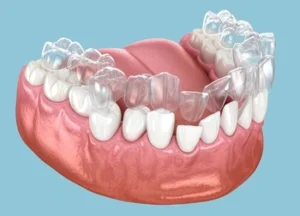 Inconsistent wear of aligners
The success of invisalign depends heavily on wearing the aligners for the recommended number of hours each day. Removing them too often or forgetting them during activities or meals can reduce pressure on certain teeth. As a result, some teeth may not achieve the desired results on schedule.
Complex bite issues
If you began your invisalign journey with more complex bite issues, such as crowding or rotated teeth, the treatment may take longer or require refinements. Unlike traditional metal braces, clear aligners rely on gradual movement. Some teeth simply need more time or additional aligners to reach proper alignment.
Gum issues and plaque buildup
Good oral hygiene plays a major role in how teeth move. If plaque buildup accumulates around certain teeth, the pressure from the aligners may not be evenly distributed. Gum inflammation can also slow movement. This is why regular dental check-ups are a key part of orthodontic treatment.
Differences in tooth shape or size
Some teeth, especially front teeth, may have shapes that are harder to move into a perfectly straight position. For example, triangular or tapered teeth may leave small gaps even after treatment.
What Your Dentist May Suggest If Results Aren’t Perfect
If you feel my teeth aren’t perfect after invisalign, the next step is working with your dentist to fine-tune the final movements. Refinement is a normal and routine part of orthodontic care.
Additional aligners or refinement aligners
Refinement aligners or refinement trays are custom-made based on new digital scans. They focus on adjusting specific teeth that need more movement. These additional aligners are commonly part of the invisalign treatment process and can help achieve the desired results.
Many patients complete an extra one or two rounds of refinements, especially if they started with crooked, spaced, or rotated teeth. This phase helps align the teeth and significantly improves the final result.
Small adjustments from your dentist
Sometimes the dentist may suggest small adjustments to help teeth line up more accurately. These adjustments may involve polishing the tiny enamel edges or making slight changes to the teeth to improve alignment. They are safe, quick and designed to create a more harmonious bite.
Rechecking your bite
Some teeth may look straight, but the bite might still feel slightly off. Bite issues can be corrected through targeted adjustments or extra aligners. Addressing these helps improve both function and appearance.
What To Expect When Using Refinement Aligners
If you need refinement aligners, your dentist will start with updated digital scans to create a new treatment plan. This plan shows how the teeth will move during the refinement stage, focusing on the areas that need improvement.
More predictable fine-tuning
Refinement aligners are made to address smaller, precise movements. Since the major changes have already been completed during the main treatment, refinements tend to be shorter and more targeted.
Wearing the trays again
You will need to wear the new aligners as instructed. This phase may feel similar to the start of treatment, but it usually involves fewer trays. Consistent wear supports the most accurate results.
Monitoring your progress
Regular dental check-ups help your dentist see how well the teeth are responding. If certain teeth still need more movement, further adjustments or another short round of refinement trays may be recommended.
When Retainers Are The Next Step
Once treatment is complete and you achieve the aligned teeth you were aiming for, the next focus is keeping the teeth in place. Wearing retainers is essential to keeping the teeth in their new positions.
Why retainers matter so much
Without retainers, teeth naturally shift back toward their original positions. This can happen in a matter of weeks. Retainers prevent shifting and protect the investment you have made in your smile.
Types of retainers available
 There are several types of retainers, including:
- Removable retainers
- Hawley retainers
- Fixed retainers
Each option helps maintain alignment in different ways. Fixed retainers are often placed behind the front teeth to prevent movement. Removable retainers offer flexibility, while Hawley retainers provide durability.
Your dentist will help you choose the type that suits your needs, lifestyle choices and oral health.
Proper care of retainers
Retainers can accumulate plaque if they are not cleaned properly. Maintaining good oral hygiene supports the health of your mouth and gums. Washing the retainers, brushing your teeth twice daily, and regular check-ups help prevent plaque buildup and gum issues.
Wearing retainers as instructed ensures your teeth remain stable and reduces the chance of future treatment.
How To Keep Your Smile Looking Its Best After Treatment
Even after alignment is complete, caring for your teeth plays a major role in how long your results last.
Maintain consistent oral hygiene
Good oral hygiene prevents plaque buildup and supports gum health. Healthy gums help the teeth stay in position and maintain a clean, healthy appearance.
Attend regular check-ups
Regular check-ups allow your dentist to monitor your alignment, bite and oral health. If small changes occur, early intervention keeps your teeth straight and prevents shifting.
Monitor lifestyle habits
Certain habits, such as grinding, nail biting or chewing on hard objects, may affect alignment. Your dentist can discuss ways to protect your teeth if you tend to clench or grind.
Follow your retainer schedule
Even if your teeth feel stable, wearing the retainer long-term helps ensure the alignment remains. Many patients switch to nightly wear after the first year, but long-term use is still necessary to prevent movement.
The Emotional Side of Not Getting Perfect Results
Orthodontic treatment is not only about teeth alignment. It also brings emotional expectations. Many patients begin invisalign treatment with clear goals of achieving a perfect smile, and it is natural to feel disappointed or confused when the outcome is close but not exactly what you imagined.
Feeling disappointed is more common than you think.
Many patients feel the same way when they discover small imperfections after treatment ends. Even when the improvements are noticeable, seeing anything less than perfectly aligned teeth can trigger worry or frustration. These feelings do not mean you failed or that the treatment was unsuccessful. They are a normal response to expecting instant perfection.
Recognising small improvements can shift your mindset.
Sometimes the progress you have made is far greater than you realise. Comparing your current smile to your pre-treatment photos can help you appreciate how far you have come. Many patients notice straighter front teeth, improved bite stability and reduced crowding, even if some fine details still need attention.
Expectations of a perfect smile can be influenced by social media.
Images online often show results that appear flawless, but they may not reflect the everyday experiences of real patients. Every mouth, tooth shape and alignment pattern is different, which means natural variation still exists, even after a successful treatment.
Confidence grows over time.
A confident smile is not only about perfect teeth. It is also about how you feel when you speak, laugh or take photos. Many people find that their confidence improves gradually as they adjust to their new appearance. With time, the small imperfections often become less noticeable or less important than the overall improvement.
Talking openly with your dentist helps ease concerns.
If you are unsure about your results or feel emotionally overwhelmed, discussing your concerns with your dentist can bring clarity. They can explain whether refinements, additional aligners or simple cosmetic adjustments may help you reach your desired results. Feeling heard and supported often reduces the emotional pressure associated with the outcome.
 When To Talk To Your Dentist
 When To Talk To Your Dentist
If you notice changes in your bite, gaps returning, uneven edges or crooked areas, it is always helpful to check with your dentist. Early adjustments are easier than correcting shifting that has continued for months.
Reaching out does not mean treatment failed. It simply means your teeth may need extra guidance to remain perfectly aligned.
Final Thoughts: My Teeth Aren’t Perfect After Invisalign
Feeling unsure when your teeth aren’t perfect after invisalign is completely normal. Many patients need refined aligners, additional aligners or small adjustments to reach the desired results. Invisalign results improve significantly when refinements, proper care, wearing retainers, and regular check-ups are part of the journey.
Your invisalign journey does not end with the final tray. With the support of your dentist, continued commitment and good oral hygiene, you can achieve a healthy smile and maintain straight teeth in the long term. Understanding that teeth alignment is a gradual process helps set realistic expectations and ensures your smile remains aligned, healthy and confident for many years.
If you have concerns about your alignment, bite or progress, schedule an appointment with Balmoral Dental Centre at (07) 3113 9789 to help you explore options, fine-tune any areas and make sure your teeth stay in their ideal position.
References
Mayo Clinic. (2024, December 27). Teeth grinding (bruxism) – symptoms and causes. Mayo Clinic. https://www.mayoclinic.org/diseases-conditions/bruxism/symptoms-causes/syc-20356095
Stanborough, R. J. (2024, February 8). Dental plaque: What it is, what causes it, and how to get rid of it. Healthline. https://www.healthline.com/health/dental-and-oral-health/plaque
Cleveland Clinic. (2022, April 21). Oral hygiene: Best practices & instructions for good routine. Cleveland Clinic. https://my.clevelandclinic.org/health/treatments/16914-oral-hygiene
Colgate. (2023, January 9). How does a retainer work? Colgate. https://www.colgate.com/en-us/oral-health/adult-orthodontics/how-does-a-retainer-work