

Experiencing a cracked tooth or broken tooth can be stressful, especially if it happens suddenly while eating, playing sports, or after an unexpected dental injury. Many people are unsure whether the situation counts as a dental emergency or if it can wait a few days until their regular dentist is available. Understanding the signs, risks, and steps to take can help you decide when to seek urgent dental care and how to protect your oral health in the meantime.
This guide explores what makes a chipped or broken tooth an emergency, the common causes, what to do at home, and why seeing an emergency dentist as soon as possible supports the most promising results.
When Is a Broken Tooth Considered a Dental Emergency?
A cracked or fractured tooth may or may not require immediate intervention. The level of concern usually depends on the severity of the tooth fracture, the pain level, and the presence of other symptoms.
Clear Signs You Need Emergency Dental Care
You should book an emergency appointment quickly if you experience: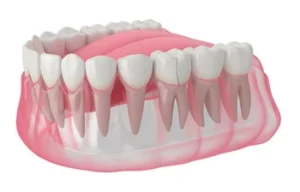
- Severe pain or intense pain that does not improve
- Facial swelling or swollen gums around the affected area
- Bleeding from the tooth or gums
- A large portion of the tooth is missing
- A fractured tooth exposing the inner layers
- Signs of infection, such as warmth, ongoing throbbing, or a bad taste in the mouth
- Trauma involving a knocked-out tooth or a significant gum injury
These signs indicate a dental emergency where delaying treatment may lead to further health issues, infection, or long-term complications.
When It May Not Be an Emergency
Some broken or chipped teeth cause little to no discomfort. Minor chips often feel more alarming than they actually are. If there is no pain, swelling, or bleeding, it might not require urgent care. However, you should still see your dentist as soon as possible. Even a small chipped tooth can collect food debris, irritate the gums, or worsen with chewing.
Common Causes of a Cracked or Broken Tooth
Teeth can crack or break for many reasons, and understanding what caused the injury can help with future prevention. Frequent causes include:
- Biting hard foods such as ice or nuts
- Grinding or clenching the teeth
- A fall or sports-related dental trauma
- Untreated decay leading to structural weakness
- Old fillings that no longer support the tooth
- Sudden temperature changes in the mouth
No matter the cause, any cracked tooth should be assessed to prevent infection or further damage.
What To Do Immediately After the Injury
Acting quickly can protect the tooth, prevent infection, and reduce pain.
Step 1: Rinse the Mouth
Rinse with warm water to clear food debris and assess the affected area. If there is bleeding, gently apply pressure with a clean cloth or gauze.
Step 2: Manage Pain and Swelling
Hold a cold compress or a cloth wrapped around an ice pack against the cheek near the injured spot. This helps reduce facial swelling and discomfort. Pain relief medication may help with short-term sensitivity.
Step 3: Protect Sharp or Rough Edges
A broken or cracked tooth may feel sharp. To prevent cuts to the mouth or gums, you can gently cover the rough edges with sugar-free gum or dental wax until your emergency appointment.
Step 4: Avoid Certain Foods
Avoid hard foods, extreme temperatures, and chewing on the injured side. Stick to softer foods to prevent further injury.
Step 5: Seek Professional Care
Contact an emergency dentist or book urgent care if symptoms worsen or if the tooth fracture is severe. Delaying dental treatment can increase the risk of infection, especially if the inner layers of the tooth are exposed.
How Dentists Treat a Cracked or Broken Tooth
The recommended treatment varies based on where the crack is located, how extensive it is, and the kind of fracture involved.
Minor Chips or Small Cracks
Small chips can often be smoothed or repaired with bonding. This treatment restores function and appearance and prevents rough edges from irritating the mouth.
Moderate Fractures
A more significant cracked tooth may require a crown to protect the remaining structure. A crown can prevent further damage and support long-term oral health.
Severe Pain or Deep Cracks
If the fracture reaches the inner tooth layers, root canal treatment may be necessary. This procedure removes infected or irritated tissue and prevents infection before a crown is placed.
Broken Tooth With Infection
If infection is present, immediate intervention is important. Dentists may prescribe medication before proceeding with root canal or other treatment options to prevent infection from spreading.
Dental Trauma or Knocked Out Tooth
A knocked-out tooth requires emergency care. Acting quickly improves the likelihood of saving the tooth, particularly if it is handled correctly and kept in milk or saliva on the way to the dentist.
When You Should Seek Emergency Care
You should arrange urgent dental care if: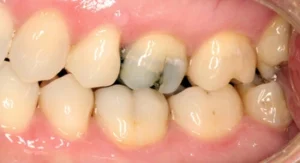
- You have severe pain
- The tooth is cracked deeply
- There is persistent bleeding
- Facial swelling continues
- The tooth has broken at the gum line
- You suspect an infection
- You experience gum injury or trauma
- You feel pressure or throbbing around the tooth or gums
Even if symptoms seem mild at first, problems can worsen over a few days. It is always safer to get the tooth checked by a dentist for professional care.
Final Thoughts: Is a Broken Tooth an Emergency?
So, is a broken tooth an emergency? In many cases, yes. A cracked or chipped tooth can quickly turn into a bigger issue when left untreated. Seeking advice from your dentist as soon as possible helps prevent infection, reduce pain, and protect the long-term health of the tooth.
Whether you are dealing with a minor chip or a severe fracture, early assessment and the right dental care support better outcomes and help keep your smile healthy and strong. For personalised advice and prompt treatment, contact Balmoral Dental Centre at (07) 3113 9789 to book your appointment.
Note: Any surgical or invasive procedure carries risks. Before proceeding, you should seek a second opinion from an appropriately qualified health practitioner.
References
NHS. (2025, February 6). Knocked-out tooth. NHS. Retrieved from https://www.nhs.uk/conditions/knocked-out-tooth/
Cleveland Clinic. (2024, April 29). Cracked Tooth (Fractured Tooth). Cleveland Clinic. Retrieved from https://my.clevelandclinic.org/health/diseases/21628-fractured-tooth-cracked-tooth
Healthline Editorial Team. (2024, September 30). Everything You Need to Know About Using a Cold Compress. Healthline. Retrieved from https://www.healthline.com/health/make-cold-compress