
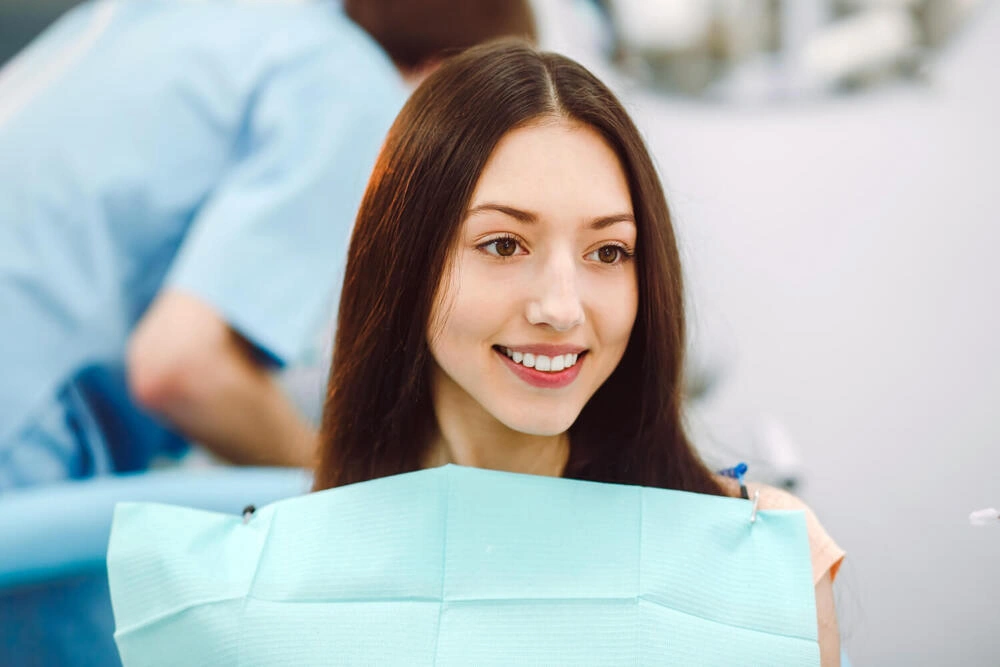
Many adults consider orthodontic treatment later in life. Some may have missed braces as teenagers. Others notice shifting teeth over time. If you are thinking about improving alignment without visible brackets and wires, invisible braces for adults may be an option worth exploring.
Today, adult orthodontics offers several ways to straighten teeth in a subtle and practical way. From clear aligners to other invisible aligners, treatment can be tailored to suit your orthodontic needs, lifestyle, and goals. This guide explains how invisible braces work, who they suit, treatment duration, and what to expect.
Why Adults Choose Invisible Braces
 It is common for adults to want straighter teeth but feel unsure about wearing traditional braces. Traditional metal braces use metal brackets and wires that are clearly visible. While they remain highly effective, some adults prefer a more discreet solution.
Invisible braces are designed to be virtually invisible in everyday situations. This can make a difference at work, in social settings, and during professional interactions. Many patients feel more comfortable knowing their orthodontic treatment is less noticeable.
Another reason adults choose invisible braces is convenience. Removable aligners allow you to brush, floss properly, and eat without permanent brackets in the mouth.
What Are Invisible Braces?
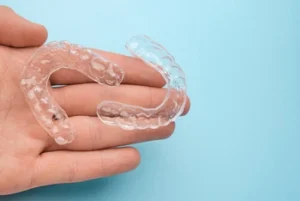
Invisible braces generally describe clear aligners or similar transparent trays that sit closely over the teeth. Invisalign aligners are one well-known example, but there are other aligner trays available as well.
Unlike traditional metal braces, which rely on fixed brackets and wires, aligners are removable. They are custom-made to move teeth gradually into new positions.
Each set of aligners is typically worn for one to two weeks before being replaced with the next set. Small adjustments are built into each stage, helping to straighten teeth in a controlled way.
How Invisible Braces Work
Invisible braces work by applying gentle, consistent pressure to the teeth. Over time, this pressure moves teeth into better alignment.
The process usually starts with a consultation. At this visit, the dentist evaluates your teeth, bite, and gum health. Digital scans or impressions may be taken to create a personalised treatment plan.
Your aligners are designed to match this plan. You will wear them for most of the day, usually removing them only for eating, drinking anything other than water, and oral hygiene.
Because aligners are removable, there are fewer food restrictions compared to metal braces. With traditional braces, hard or sticky foods can damage brackets and wires. With aligners, you simply remove them before eating.
Bone Density and Adult Tooth Movement
One important difference between adult orthodontic treatment and teenage treatment is bone density. As we age, the jawbone becomes more mature and slightly denser compared to the bone in younger patients. This does not prevent teeth from moving, but it can influence how quickly and predictably movement occurs.
When teeth are straightened, they do not simply slide through the bone. The bone around each tooth gradually reshapes in response to gentle pressure. On one side of the tooth, bone tissue breaks down slightly, while new bone forms on the other side. This natural process allows the tooth to shift into a new position.
In adults, this remodelling process can take a little more time because the bone is no longer developing. For some patients, treatment may progress more gradually compared to teenage orthodontics. This is completely normal and does not mean treatment is less effective.
Gum health also plays an important role. Healthy gums and strong bone support are essential before starting invisible braces for adults. If there is existing gum disease or bone loss, these issues need to be stabilised first to ensure safe tooth movement.
Understanding how adult bone responds to orthodontic pressure helps set realistic expectations. With careful planning, consistent wear of aligners, and regular monitoring, adult teeth can move safely and predictably into improved alignment.
Who Is Suitable for Invisible Braces?
 Invisible braces for adults are commonly suitable for mild to moderate alignment concerns. These include:
- Spacing issues
- Mild crowding
- Minor bite problems
- Relapse after previous braces
For moderate cases, clear aligners can deliver noticeable improvements in a predictable timeframe.
However, more complex cases may require traditional braces or other orthodontic approaches. Significant crowding, severe bite correction, or complex jaw concerns may be better managed with traditional metal braces.
An experienced dentist can assess your orthodontic needs and advise on suitability.
Treatment Duration and What to Expect
Treatment duration varies depending on the complexity of the case. Mild alignment concerns may be corrected within several months. More complex cases can take longer.
Throughout treatment, regular check-ups are scheduled to monitor progress. These visits allow for expert guidance and adjustments if needed.
Most adults experience mild discomfort when starting a new set of aligners. This is usually temporary and reflects teeth beginning to move. Discomfort often settles within a few days.
Aligners need to be worn consistently in order to achieve the intended results. Patient commitment plays a key role in treatment effectiveness.
Invisible Braces vs Traditional Braces
Traditional braces continue to be a reliable and effective option for addressing many orthodontic concerns. They use brackets and wires that stay fixed in place, guiding teeth into alignment.
Metal braces can be particularly useful for complex cases or when precise bite correction is required. However, they are more visible and come with food restrictions.
Invisible braces offer a discreet alternative. Because they are removable, maintaining oral hygiene is often easier. You are able to brush and floss as usual without having to manoeuvre around brackets.
Both approaches have benefits. The right choice depends on your treatment goals, lifestyle, and the level of correction required.
Oral Hygiene During Treatment
Maintaining good oral hygiene habits is essential throughout orthodontic treatment.
Both your teeth and your aligner trays should be cleaned regularly to prevent plaque build-up.
Poor oral hygiene can increase the risk of gum disease during treatment, which is why daily brushing and flossing remain important.
Regular dental check-ups also help support gum health and allow your dentist to monitor the stability of your teeth throughout the orthodontic process.
Braces Cost and Financial Considerations
The cost of braces can differ based on several factors, including:
- Complexity of the case
- Treatment duration
- Type of braces or aligners used
- Number of follow-up visits required
Invisible braces cost may be similar to, or slightly different from, traditional braces, depending on the provider and treatment plan.
At your consultation, the dentist will outline the proposed treatment timeline, anticipated outcomes, and associated costs in clear detail. Many clinics offer flexible payment options to support adult patients.
What Happens After Treatment?
When treatment is complete, retainers are usually provided. Retainers help keep teeth in their new positions.
Without retainers, teeth may gradually shift. Wearing retainers as instructed is an important step in protecting your results.
Follow-up appointments may continue for a short period after active treatment ends. These visits ensure stability and allow any final small adjustments if needed.
Invisible Braces and Long-Term Oral Health
Straight teeth are often easier to clean. This can reduce plaque build-up and lower the risk of gum disease.
Correcting bite alignment can also reduce uneven pressure on teeth. Over time, this may help protect against excessive wear.
Invisible braces are not just about appearance. They are part of a broader approach to oral health and long-term stability.
Final Thoughts
 Choosing invisible braces for adults is often about finding a balance between appearance, comfort, and long-term dental health. Many adults want a solution that fits into their routine without drawing attention to treatment.
Clear aligners offer a flexible approach to improving alignment while allowing you to maintain your normal eating habits and oral hygiene routine. For the right cases, they can provide predictable tooth movement with minimal disruption to daily life.
Deciding whether invisible braces are suitable depends on your specific alignment concerns and treatment goals. A thorough assessment ensures that the chosen approach supports both functional improvement and long-term stability.
If you’re considering invisible braces or would like personalised advice about discreet teeth straightening, you can book a consultation with us at Balmoral Dental Centre or call (07) 3113 9789. We can assess your alignment, discuss your goals, and outline a treatment approach that suits your lifestyle and long-term oral health.
Resources
“Orthodontics Australia. (2025). ‘All about clear aligners’. Orthodontics Australia, 17 July. Australia: Australian Society of Orthodontists. https://orthodonticsaustralia.org.au/all-about-clear-aligners/”
“Colgate Editorial Team. (2023). ‘What Is Good Oral Hygiene?’. Colgate, 9 January. New York, NY: Colgate-Palmolive Company. https://www.colgate.com/en-us/oral-health/adult-oral-care/what-is-good-oral-hygiene”
“Cleveland Clinic. (2023). ‘Teeth Braces’. Cleveland Clinic, 13 January. Cleveland, OH: Cleveland Clinic. https://my.clevelandclinic.org/health/treatments/24601-teeth-braces”