

Living with missing teeth can affect far more than your smile. It can change how you eat, how you speak, and how you feel about yourself each day. Implant-supported dentures offer a modern teeth replacement option that provides improved stability, comfort and long-term oral health support. For many patients, this approach bridges the gap between traditional dentures and full mouth dental implants.
This guide explains how implant supported dentures work, who they suit, and what to expect during treatment, all in clear, practical terms.
What Are Implant-Supported Dentures?
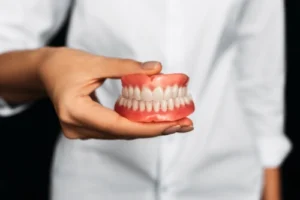 Implant-supported dentures are dentures that are secured using dental implants placed into the jawbone. Instead of relying only on the gums for support, the denture sits on implants, creating a far more stable foundation.
Implant dentures can be designed as removable implant dentures or fixed implant-supported dentures. Both options offer greater security than conventional dentures and help reduce common concerns like loose dentures and discomfort.
Unlike traditional dentures, implant-supported solutions help protect the jawbone and maintain facial structure over time.
How Implant-Supported Dentures Differ From Traditional Dentures
Implant-supported dentures differ from traditional dentures in how they are held in place and how they interact with the jaw. Understanding these differences can help you see why implant-supported options often feel more stable, comfortable and supportive of long-term oral health.
Conventional Dentures and Their Limitations
Traditional dentures, also called removable dentures or conventional dentures, rest directly on the gums. While they replace missing teeth, they can move during eating and speaking. Over time, jawbone loss can occur because natural teeth or implants no longer stimulate the bone.
This can lead to further bone loss, changes in facial structure and ongoing denture adjustments.
Implant Supported Solutions Offer More Stability
Implant-supported dentures use implants placed in the jaw to securely anchor the denture. This improves stability and helps prevent bone loss by maintaining bone density through stimulation. Many patients notice improved comfort, stronger biting ability and greater confidence.
Implant-Supported Dentures: Which Type Is Right for You?
Implant-supported dentures come in several forms, each designed to suit different clinical needs, comfort preferences and long-term goals. Understanding the available types can help you make an informed decision about which option may provide the right balance of stability, function and ease of care for your situation.
 Implant Retained Dentures
 Implant Retained Dentures
Implant-retained dentures are usually removable implant-supported dentures that clip onto implants. These are often called snap-on dentures. They can be removed for cleaning and are supported by two or more implants, commonly in the lower jaw.
This partially implant-supported solution offers improved stability while remaining cost-effective for many patients.
Implant-Supported Overdentures
Implant-supported overdentures rest on implants and the gums, providing added support and reduced movement. They are commonly used for full mouth denture implants and can be placed in the upper or lower jaw.
These dentures sit comfortably while reducing pressure on the gums.
Fixed Implant Supported Dentures
Fixed implant-supported dentures are a fixed solution that remains permanently in the mouth. These dentures are attached to implants and cannot be removed without a dentist’s assistance.
Often used for full mouth dental implants, this option feels most like natural teeth and offers excellent chewing ability. A final tooth bridge is secured to implants, providing a long-term and stable outcome.
Who May Benefit From Implant-Supported Dentures?
Many patients choose implant dentures when they struggle with loose dentures or want a more secure option. Implant-supported dentures may be suitable if you:
- Have missing teeth or complete tooth loss
- Experience discomfort with removable dentures
- Have adequate bone density or are suitable for bone grafting
- Want to prevent bone loss and support jawbone health
- Prefer a fixed solution or improved stability
A dentist will assess bone deficiencies, jawbone loss and overall oral health during the initial consultation.
From Consultation to Final Fit: The Implant-Supported Denture Process
Understanding each stage of the implant-supported denture journey can make the experience feel far more manageable. From your first discussion with the dentist through to the placement of the final denture, the process is carefully planned to support comfort, healing and long-term stability. Each step is designed to ensure the implants integrate well with the jaw and that the final result feels secure, functional and natural.
Initial Consultation and Planning
The process begins with a detailed assessment. The dentist examines the jaw, bone density and gum health. Scans are taken to determine implant placement and whether bone grafting is required.
This stage also includes a discussion of the costs involved and treatment options.
Implant Surgery and Healing
Implant surgery involves placing implants into the jawbone. In some cases, a second surgery may be required to attach connectors after healing.
A healing period follows, allowing the implants to integrate with the bone. This process supports long-term stability and helps prevent bone loss.
Temporary Denture and Final Denture Placement
A temporary denture may be fitted while healing takes place. Once integration is complete, the final denture or final tooth bridge is fitted.
The result is a secure, natural-looking teeth-replacement solution.
Bone Health and Implant-Supported Dentures
Bone loss often occurs after tooth loss due to a lack of stimulation. Implant-supported dentures help prevent further bone loss by transferring chewing forces into the jawbone.
In cases of significant bone loss or bone deficiencies, bone grafting may be recommended before implant placement. This improves bone density and supports implant success.
Maintaining jawbone health also supports facial structure and reduces the sunken appearance often associated with missing teeth.
Implant Dentures Cost and Considerations
Implant denture costs vary depending on the number of implants, the type of denture, and any additional procedures required. Full mouth denture implants and fixed implant denture options generally involve higher costs than removable implant dentures.
Factors influencing costs include:
- Number of implants required
- Bone grafting needs
- Type of denture chosen
- Complexity of implant surgery
Many patients find the long-term benefits and reduced maintenance make implant-supported dentures a worthwhile investment.
Caring for Implant-Supported Dentures
 Caring for Implant-Supported Dentures
Good care is essential for long-term success. Daily cleaning helps protect the implants and surrounding tissues. Professional cleaning visits allow the dentist to monitor implant health and denture fit.
Whether fixed or removable, supported dentures require ongoing care to maintain function and comfort.
Choosing the Right Implant Denture Option
When deciding how to choose implant dentures, consider your lifestyle, budget and long-term goals. Some patients prefer removable implant-supported dentures for ease of cleaning, while others choose fixed dentures for a more natural feel.
Guided by your dentist, you can review teeth replacement solutions that match your goals, preferences and oral health needs.
Final Thoughts on Implant-Supported Dentures
Implant-supported dentures offer a reliable and modern solution for replacing missing teeth. By combining dental implants with dentures, many patients experience improved stability, better comfort and long-term jaw health benefits.
If you are exploring a partially implant-supported solution, snap-on dentures or full mouth dental implants, a comprehensive dental assessment can help determine the option best suited to your individual needs. With proper planning, a healing period and ongoing care, implant-supported dentures can restore confidence, function and quality of life for years to come.
If you are considering implant-supported dentures and would like personalised guidance, contact Balmoral Dental Centre at (07) 3113 9789 to book a consultation and discuss suitable treatment options with an experienced dental team.
Note: Any surgical or invasive procedure carries risks. Before proceeding, you should seek a second opinion from an appropriately qualified health practitioner.
References
Mayo Clinic. (n.d.). Dental implant surgery. Mayo Foundation for Medical Education and Research. https://www.mayoclinic.org/tests-procedures/dental-implant-surgery/about/pac-20384622
Colgate. (n.d.). Bone graft for dental implants: Understanding the possibility. https://www.colgate.com/en-us/oral-health/implants/bone-graft-for-dental-implants-understanding-the-possibility
Cleveland Clinic. (n.d.). Dentures. https://my.clevelandclinic.org/health/treatments/10900-dentures