

A full upper denture is a common and practical solution for replacing missing teeth in the upper jaw. It is designed to restore function, appearance and confidence for people who have experienced tooth loss due to decay, gum concerns, injury or other oral health issues. While adjusting to dentures can take time, modern materials and custom-made designs allow many people to enjoy a natural-looking smile and improved daily comfort.
Understanding how a full upper denture works, what to expect during treatment and how to care for it properly can help you feel more confident about your decision and long-term results.
What Is a Full Upper Denture?
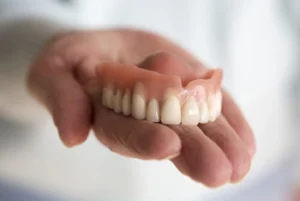 A full upper denture is a type of dental prosthetic used when all natural teeth in the upper jaw are missing or need to be removed. It sits over the gums and soft tissue of the upper jaw and is carefully shaped to fit the contours of the mouth. Unlike partial dentures, which rely on remaining natural teeth for support, full dentures replace all lost teeth in that arch.
Traditional dentures are often made from acrylic resin and are designed to look like natural teeth and gums. When properly fitted, they restore basic chewing ability, support facial structure and improve speech clarity.
When a Full Upper Denture Is Recommended
A dentist may recommend a full upper denture when tooth loss is extensive and preserving remaining teeth is no longer practical. Common reasons include advanced gum issues, widespread decay, bone loss or repeated dental problems that affect oral health.
For some people, tooth extraction is planned in stages, while others may require all upper teeth to be removed at once. In either case, replacing missing teeth promptly helps reduce further changes to the mouth and supports overall well-being.
Full Upper Denture Versus Other Tooth Replacement Options
Choosing the right denture solution depends on several factors, including oral health, bone levels, personal preferences and budget.
Full Dentures and Partial Dentures
Partial dentures are designed for situations where several natural teeth are still present in either the upper or lower jaw. They rely on remaining teeth for stability. A full upper denture, on the other hand, replaces all missing teeth in the upper jaw and rests directly on the gums.
Implant-Supported Dentures
Implant-supported dentures rely on dental implants positioned in the upper or lower jaw to improve support and stability. These options may reduce denture movement and improve comfort. However, implants are not suitable for everyone and may involve additional procedures, healing time and cost.
Permanent Dentures and Fixed Options
Some people explore permanent dentures or fixed dentures that are attached to implants. While these can offer more stability, they require sufficient bone and careful planning. A conventional full upper denture remains a cost-effective and widely used option for many patients.
The Process of Getting a Full Upper Denture
The process of getting a full upper denture involves several carefully planned stages to ensure comfort, function and a natural appearance. From the initial consultation through to final fitting, each step is designed to support healing, allow necessary adjustments and create a denture that fits the mouth securely and comfortably.
Initial Consultation and Planning
The process begins with a detailed assessment by a dentist. This includes examining the mouth, gums and bone structure, reviewing medical history and discussing treatment goals. X-rays or scans may be taken to evaluate bone loss and soft tissue condition.
Tooth Extraction and Healing
If natural teeth remain, tooth extraction may be required. In some cases, immediate dentures are placed on the same day as extractions. In other situations, healing time is allowed before final dentures are made.
Immediate Dentures and Final Dentures
Immediate dentures provide replacement teeth straight away but often require several adjustments as the mouth heals. Final dentures are usually made after the gums have stabilised, allowing for a more precise fit and improved comfort.
Custom Dentures and Fitting
Custom dentures are designed to match facial features, gum colour and personal preferences. Several fittings may be needed to ensure the denture feels secure and looks natural. Necessary adjustments are a normal part of the process.
What to Expect During the Adjustment Period
The adjustment period is a normal part of getting used to a full upper denture. During this time, the mouth gradually adapts to the new appliance as comfort, function and confidence improve with daily wear and gentle practice.
 Initial Discomfort and Adaptation
 Initial Discomfort and Adaptation
It is normal to experience initial discomfort when first wearing a full upper denture. The mouth adjusts over time as muscles learn to hold the denture in place. Some people notice increased saliva, mild soreness or changes in speech during the initial period.
Eating and Speaking With Confidence
Soft foods are recommended at first. Gradually, chewing becomes easier as confidence improves. Practising speech aloud can help the mouth adjust more quickly.
Do Dentures Hurt?
Dentures hurt for some people at the beginning, but ongoing pain is not expected. Persistent discomfort may indicate the need for further adjustments by a dentist.
How a Full Upper Denture Affects Oral Health
A well-fitted full upper denture supports oral health by restoring function and appearance. However, dentures affect the mouth in different ways over time.
Bone loss can continue after tooth loss, which may change the fit of dentures. Routine dental visits allow changes to be monitored and help ensure the denture remains comfortable and well-fitting over time.
Maintaining healthy gums and soft tissue is essential, even without natural teeth remaining.
Caring for Your Full Upper Denture
Caring for your full upper denture is essential for maintaining comfort, appearance and long-term oral health. With consistent daily care and regular professional reviews, dentures can remain clean, functional and comfortable while helping protect the gums and soft tissue underneath.
Daily Cleaning Routine
Dentures require regular cleaning to prevent plaque buildup, stains and odours. Use a denture brush or a soft brush designed specifically for dentures. Avoid regular toothpaste, as it can be too abrasive.
A denture cleaning solution can be used daily to keep the denture fresh and hygienic.
Dentures Overnight Care
Most dentures should be removed overnight to allow the gums to rest. Place dentures in a denture cleaning solution for the length of time recommended by your dentist, following the product and professional instructions carefully.
Proper Care and Long-Term Maintenance
Proper care extends the lifespan of dentures and supports comfort. Dentures require regular cleaning, gentle handling and routine professional reviews. Never use hot water, as it can warp acrylic resin.
Dentures Cost and Payment Considerations
Dentures cost varies depending on several factors, including materials, complexity, whether immediate dentures are used and whether implant-supported options are chosen.
Private health insurance may contribute to the cost of dentures, depending on the policy. Some clinics offer payment plans or offer payment plans to make treatment more accessible.
Discussing payment plans early allows you to choose a solution that fits your needs without unnecessary stress.
Are Full Upper Dentures a Permanent Solution?
Full upper dentures are a long-term replacement teeth option, but they are not permanent in the same way as natural teeth. Over time, bone loss and changes in the mouth may require relining, adjustment or replacement.
Dentures depend on ongoing care, regular check-ups and good oral hygiene habits to remain comfortable and functional.
Common Challenges and How They Are Managed
Adapting to a full upper denture can come with a few challenges, especially during the early stages. Understanding these common concerns and how they are managed helps set realistic expectations and ensures any issues are addressed promptly for ongoing comfort and confidence.
Denture Movement and Stability
Upper dentures generally have more stability than lower jaw dentures due to the natural suction created by the palate. If movement occurs, adjustments or alternative denture solutions may help.
Changes Over Time
It is normal for dentures to need several adjustments, especially in the first year. As the mouth changes, relining or replacement may be recommended.
Confidence and Comfort
Many people experience improved appearance and self-confidence once they adapt to their dentures. A natural appearance and a natural-looking smile can make a meaningful difference in daily life.
Choosing the Right Denture for Your Needs
 Choosing the Right Denture for Your Needs
Every mouth is different, and the right denture solution depends on several factors such as bone levels, gum health, lifestyle and personal preferences. Whether you choose conventional dentures, implant-supported dentures or another practical solution, professional guidance is essential.
A dentist can help you understand the benefits and limitations of each option and tailor treatment to your goals.
Living Well With a Full Upper Denture
A full upper denture can restore function, comfort and confidence when designed and maintained with care. While there may be an initial period of adjustment, most people adapt well with patience and proper care.
By following a consistent cleaning routine, attending regular check-ups and communicating openly with your dentist, you can enjoy more stability, improved appearance and a smile that supports everyday life.
For many people, a full upper denture remains a reliable, cost-effective and practical solution for replacing missing teeth and maintaining oral health over the long term.
If you are considering a full upper denture, Balmoral Dental Centre is here to help. Book your consultation today at (07) 3113 9789 to discuss personalised denture options and receive professional guidance tailored to your oral health needs.
Note: Any surgical or invasive procedure carries risks. Before proceeding, you should seek a second opinion from an appropriately qualified health practitioner.
References
Listerine. (n.d.). What is tartar buildup on teeth? https://www.listerine.com/attack-plaque/what-is-tartar-buildup-teeth
Healthline. (n.d.). Dental X rays: What you should know. https://www.healthline.com/health/dental-x-rays
Colgate. (n.d.). Implant supported dentures. https://www.colgate.com/en-us/oral-health/dentures/implant-supported-denture
Cleveland Clinic. (n.d.). Gum disease (periodontal disease). https://my.clevelandclinic.org/health/diseases/21482-gum-periodontal-disease