

Extreme dental plaque is more than just a cosmetic concern. It is a sign that plaque formation has progressed to a level where oral health and overall health may be at risk. Dental plaque is a thin, sticky layer of bacteria mixed with food debris and saliva that continually forms on the surface of teeth. If it is not removed consistently, plaque can harden into tartar, also called calculus, making it difficult to control with routine home oral care alone.
Understanding how extreme dental plaque develops and why it matters can help you take practical steps toward prevention and treatment before problems are left untreated.
What Makes Dental Plaque Become Extreme
Dental plaque becomes severe when everyday buildup is not consistently removed and begins to harden into tartar along the teeth and gumline. Over time, this process increases bacterial activity in the mouth and raises the risk of gum disease and other oral health concerns.
How plaque starts and builds up
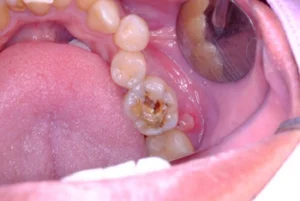 Plaque forms naturally in the mouth every day. Bacteria use sugars and starches from everyday foods, such as potato chips, as a food source and release acids as a by-product. These acids attack tooth enamel and irritate the gums. Over time, plaque and tartar accumulate along the gumline, especially in hard-to-reach areas.
If plaque is not removed, it absorbs minerals from saliva and gingival crevicular fluid, which hardens into tartar. Once this happens, brushing alone cannot remove it.
Habits that increase risk
Several factors can lead to extreme dental plaque. Inconsistent brushing and flossing, dry mouth, chewing tobacco, frequent snacking and poor oral hygiene routines all increase risk. People who do not brush twice a day with fluoride toothpaste or who skip daily flossing are more likely to develop heavy plaque and tartar.
Some health conditions and medications reduce saliva flow. Since saliva helps wash away bacteria, a dry mouth environment allows plaque to develop more quickly.
Why Extreme Dental Plaque Is a Serious Issue
Extreme dental plaque is a serious issue because it allows harmful bacteria to remain on the teeth and gums for extended periods. If this buildup is left untreated, it may contribute to gum disease, weaken tooth enamel and increase the risk of health concerns that extend beyond the mouth.
From plaque to gum disease
As plaque accumulates along the gumline, it can trigger gingivitis, which is the earliest stage of gum disease. This condition may cause redness, swelling and bleeding during brushing, and when addressed early, it can often be managed with better brushing and flossing habits along with professional cleaning. If plaque and tartar remain, gingivitis can progress to periodontal disease or periodontitis. At this stage, the gums may begin to pull away from the teeth, leading to receding gums, bone loss and damage to the structures that support the teeth.
Impact beyond the mouth
Research has shown links between periodontal disease and broader health concerns, including cardiovascular disease. Although gum disease does not directly cause heart conditions, ongoing inflammation and bacteria in the mouth may increase overall health risks.
Extreme dental plaque can also lead to cavities, sensitivity, bad breath and eventual tooth loss if left untreated.
Signs You May Have Extreme Dental Plaque
Extreme dental plaque often develops gradually, making it easy to overlook the early warning signs. Noticing changes in your teeth, gums and mouth can help you identify when plaque buildup may need professional care.
Visual and physical clues
Teeth may look yellow or brown due to tartar deposits. Gums may feel tender or bleed easily during brushing or flossing. You might notice a persistent bad taste in your mouth or bad breath that does not improve with brushing.
In more advanced cases, teeth may feel loose due to bone loss, and chewing may become uncomfortable.
When to seek professional advice
If plaque and tartar are visible or if gums bleed regularly, it is important to see a dentist. A dental professional can assess plaque levels and recommend appropriate treatment before damage develops further.
How Extreme Dental Plaque Is Treated
Treating extreme dental plaque focuses on removing hardened buildup and reducing harmful bacteria in the mouth. In many cases, professional care is needed to restore gum health and prevent further damage to the teeth and supporting structures.
 Professional cleaning and care
 Professional cleaning and care
Once tartar has formed, it cannot be removed at home. Professional cleaning by a dentist is required to remove plaque and tartar from above and below the gumline. This treatment helps reduce bacteria and allows the gums to heal.
In cases of periodontitis, deeper cleaning and additional treatment may be needed to manage infection and protect bone and gum health.
Ongoing monitoring
Regular dental checkups play a key role in controlling plaque. These visits allow early detection of plaque buildup, gum disease and cavities before they become more serious.
Practical Ways to Prevent Plaque Buildup at Home
Preventing plaque buildup at home relies on consistent daily habits that limit bacteria and protect tooth enamel. With the right oral hygiene habits, plaque can be managed before it hardens into tartar and causes long-term issues.
Daily habits that matter most
Prevent plaque by brushing teeth twice a day with fluoride toothpaste. Brushing should cover all surfaces of the teeth and along the gumline to remove the sticky film before it hardens. Flossing each day is just as important, as it helps remove plaque from between the teeth where a toothbrush cannot effectively reach.
Brushing and flossing together are the foundation of good oral hygiene and help prevent tartar from forming.
Supporting oral health with lifestyle choices
Limiting sugary and starchy foods reduces the fuel bacteria use to produce acids. Drinking water throughout the day helps counter dry mouth and supports saliva flow.
Avoiding chewing tobacco and managing conditions that affect saliva can also reduce plaque formation. These steps support home oral care and long-term prevention.
Clearing Up Common Misunderstandings
There are several common misconceptions about plaque and oral care that can lead to confusion or ineffective habits if not properly understood.
Is plaque always harmful?
Plaque itself is normal, but it becomes harmful when it accumulates. Removing plaque regularly keeps bacteria at manageable levels and protects tooth enamel and gums.
Can brushing harder remove tartar
Brushing harder does not remove tartar and may damage enamel and gums. Once tartar forms, professional cleaning is the only effective treatment.
Final Thoughts on Managing Extreme Dental Plaque
 Extreme dental plaque forms when everyday plaque accumulates over time. What begins as a simple sticky film can lead to gingivitis, periodontal disease, bone loss and broader health concerns if not treated. The good news is that prevention is achievable through consistent brushing and flossing, regular dental checkups and timely professional cleaning.
Working with a dental professional and maintaining strong daily habits helps protect teeth, gums and overall health. With consistent care and the right habits, plaque does not have to result in long-term problems, allowing oral health to be maintained throughout life.
If you are concerned about plaque buildup or want personalised guidance on improving your oral hygiene routine, booking a visit with Balmoral Dental Centre can help. Call (07) 3113 9789 to arrange a consultation and take the next step toward healthier teeth and gums.
References
Mayo Clinic. (2023, December 19). Dry mouth: Symptoms and causes. Mayo Clinic. https://www.mayoclinic.org/diseases-conditions/dry-mouth/symptoms-causes/syc-20356048
Welch, J. L. M. (2025). Dental plaque. Journal of the American Dental Association, 156(?), Article S0002-8177(25)00281-8. https://jada.ada.org/article/S0002-8177(25)00281-8/fulltext
Listerine-Me. (n.d.). Inflamed gums: Causes and treatments. https://www.listerine-me.com/gingivitis/inflamed-gums-causes-treatments