

After a tooth extraction, your body begins a natural healing process. A blood clot develops in the socket and shields the bone and sensitive nerve endings underneath. This clot is essential for proper healing.
When people search for dry socket oral hygiene tips, they usually want to know how to protect that clot and avoid problems. Careful aftercare during recovery can reduce the likelihood of dry socket and help maintain comfort.
Dry socket is a painful complication that may develop following a tooth extraction. It occurs when the blood clot is lost too early or fails to form properly.
What Is Dry Socket And Why Does It Hurt?
Dry socket develops if the blood clot shifts out of place or dissolves too early, before proper healing has taken place. When this occurs, the bone and nerve tissue beneath the surface become uncovered.
 Because bones and nerves are not meant to be uncovered, patients may experience intense pain. Dry socket pain often feels deeper and more severe than normal post-extraction soreness.
Some common symptoms of dry socket include:
- Severe pain that starts a few days after the procedure.
- An empty socket where the clot should be.
- Exposed bone visible in the site.
- Bad breath or an unpleasant taste.
- Mild fever in some cases.
The pain and discomfort can travel to the ear or jaw on the same side. This is why early attention is important if symptoms appear.
Risk Factors
Not everyone who has a tooth extraction will develop this issue. However, certain factors can increase your risk.
Dry socket occurs more often after the removal of wisdom teeth. Tobacco use can reduce blood flow and slow healing. Vigorous rinsing or using a straw too soon may dislodge the blood clot.
Hormonal changes linked to birth control pills may also raise the risk of developing dry socket in some people.
Other factors include poor oral hygiene, previous infections, or not following the dentist’s instructions carefully. Understanding the risk of developing dry complications helps guide safer aftercare.
Essential Tips For Dry Socket Prevention
Dry socket prevention begins as soon as the procedure is complete. Following your dentist’s advice closely supports the natural healing process.
Here are some essential tips:
- Refrain from forceful rinsing during the first 24 hours after the procedure.
- Do not touch the extraction site with your fingers or tongue.
- Select softer foods and aim to chew on the side away from the extraction area.
- Avoid tobacco use during early healing.
- Rest and avoid heavy physical activity.
After the first day, gentle rinsing with warm salt water or salt water solutions can help keep the area clean. This supports oral hygiene without disturbing the clot.
When eating, choose soft foods such as yoghurt, soup, or mashed vegetables. Eat soft foods slowly to prevent pressure on the area. These steps help ensure proper healing and promote healing without added stress.
Managing Pain And Knowing When To Call
Some discomfort after a tooth extraction is normal. Mild pain can usually be managed with prescribed medications and basic pain relief measures.
However, significant pain that increases after a few days may signal a problem. Dry socket pain is often described as sharp or throbbing and does not improve with standard pain management.
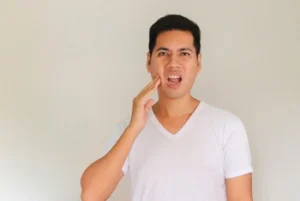 If you suspect developing dry socket, contact your dentist immediately. Early care can reduce swelling and manage discomfort more effectively.
Treatment options may include gentle cleaning of the empty socket and placing medicated dressings to protect exposed bone. These dressings help manage pain and support the recovery process.
Professional advice tailored to your situation is important. Your dentist can assess whether the area is healing as expected or whether further care is needed.
By maintaining good oral health habits and following post-extraction instructions carefully, you lower the chance of complications. While dry socket can be uncomfortable, prompt care and steady home support usually allow the area to heal properly over time.
If you are unsure about your symptoms or would like reassurance about how your extraction site is healing, you can book a consultation with us at Balmoral Dental Centre or call (07) 3113 9789. A dentist can examine the area, confirm whether healing is progressing normally, and provide guidance to support a steady recovery.
Resources
“Mayo Clinic Staff (2023). ‘Bad breath’. Mayo Clinic, 21 December. Rochester, MN: Mayo Clinic. https://www.mayoclinic.org/diseases-conditions/bad-breath/symptoms-causes/syc-20350922”
“Cherney, K. and McLean, A. (2025). ‘10 Ways to Keep Your Teeth Healthy’. Healthline, 13 May. San Francisco, CA: Healthline Media. https://www.healthline.com/health/dental-and-oral-health/best-practices-for-healthy-teeth”