

Many people delay getting a tooth filling because they are worried about pain. It is a common concern, especially if you have not had a dental filling procedure before. Understanding what actually happens can make all the difference when deciding whether to move forward with treatment.
This guide explains whether dental fillings hurt, what you may feel during the procedure, and how to reduce discomfort afterwards. It also covers when pain is not expected and when it may need to be checked.
Why Dental Fillings Are Needed
Dental fillings are used to restore areas of damage caused by tooth decay. When bacteria break down the tooth structure, they create small holes called cavities.
If left untreated, these areas may worsen and lead to further damage or eventual tooth loss. Addressing cavities early helps protect the affected tooth and prevents the need for more complex dental treatment later.
Do Dental Fillings Hurt During The Procedure?
The short answer is that most patients do not feel intense pain during a filling procedure. A dentist uses a local anaesthetic to numb the area around the affected tooth.
How Pain Is Managed During Treatment
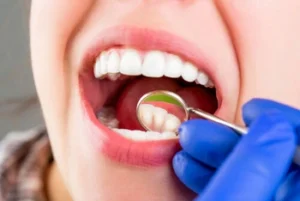 Once the area is numb, the dentist removes the damaged portion of the tooth. This step is important to stop further decay and prepare the surface for the filling material.
Because of the local anaesthetic, most patients feel pressure or vibration rather than pain. You may notice some movement in the dental chair, but you should not experience intense pain during the dental filling procedure.
For people with sensitive teeth or concerns about discomfort, discussing this with your dentist beforehand can help. Small adjustments in how the procedure is carried out can help avoid discomfort.
What You Might Feel After Getting A Filling
After getting a filling, it is normal to notice some mild discomfort once the numbness wears off. This is part of how the tooth adjusts to the new filling.
Common Sensations After A Tooth Filling
You may experience:
- Slight discomfort when biting
- Sensitivity in the tooth when exposed to hot or cold foods and drinks
- A feeling that the bite feels slightly different
These sensations are usually temporary. A filled tooth may react to cold foods or hot or cold drinks for a short time, especially if the cavity was deeper.
Why Tooth Sensitivity Can Happen
Tooth sensitivity after a filling can occur because the inner part of the tooth is still adjusting. During the dental filling procedure, the dentist removes decayed tissue close to the nerve.
This can cause the tooth to respond more strongly to temperature changes or pressure. In most cases, these pain signals settle as the tooth recovers.
Deep Fillings And Nerve Response
With deep fillings, the filling is placed closer to the nerve. This can increase the chance of temporary sensitivity or mild discomfort.
If the nerve becomes more irritated, you may feel discomfort when eating or drinking. This does not always mean something is wrong, but it should improve over time.
When A Dental Filling Might Hurt
While most patients have a smooth experience, there are situations where a dental filling may hurt more than expected.
Possible Causes Of Pain After A Filling
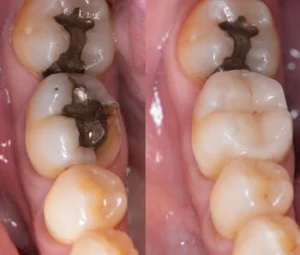 Discomfort or pain may occur if:
- The bite feels uneven (bite issues).
- The filling is slightly high.
- The tooth was already inflamed before treatment.
- There is further decay under or around the filling.
In some cases, pain persists beyond the usual adjustment period. This may feel like ongoing pain rather than slight discomfort.
When To Contact Your Dentist
It is important to monitor how the tooth feels after treatment. Some discomfort is normal, but certain signs may need attention.
Signs That Need Review
You should contact a dentist if:
- Pain persists for several days without improvement.
- You feel intense pain when biting.
- The bite feels uneven or uncomfortable.
- There is ongoing pain that affects daily use.
These situations may require a simple adjustment or additional treatment.
Can A Filling Lead To Further Treatment?
In rare cases, a filling may not fully resolve the issue if the decay was deep. If the nerve inside the tooth becomes affected, a root canal may be discussed.
When Root Canal Therapy May Be Needed
Root canal therapy is considered when:
- Pain becomes more severe over time.
- Sensitivity does not improve.
- The tooth shows signs of deeper infection.
This is not common for most fillings, but it can happen if decay has reached the inner layers of the tooth.
What Materials Are Used In Dental Fillings
Different types of dental material can be used depending on the situation.
Common Filling Material Options
One of the most widely used options is composite resin. This material is tooth-coloured and blends with natural teeth.
The choice of filling material depends on factors such as the position of the cavity and how much of the tooth requires repair.
How To Reduce Discomfort After A Filling
There are simple ways to reduce discomfort after getting a filling.
Practical Aftercare Tips
- Eat soft foods for the first day.
- Avoid hard or sticky foods that may put pressure on the filling.
- Avoid extremely hot or cold foods if the tooth feels sensitive.
- Maintain good oral hygiene to support healing.
These steps can help the tooth adjust and prevent irritation.
What About Pain Relief?
If needed, basic pain relief options can help manage discomfort during recovery. Most patients find that any discomfort is manageable and short-lived.
When Pain Relief Helps
Pain relief may be useful if:
- The tooth feels tender after treatment.
- There is slight discomfort when chewing.
- Sensitivity is noticeable in the first few days.
If pain increases rather than improves, it is important to seek advice.
Are Allergic Reactions To Fillings Possible?
An allergic reaction to dental material is uncommon, but it can occur in rare cases.
Signs Of A Possible Reaction
- Unusual irritation around the filled tooth
- Persistent discomfort that does not settle
- Changes in how the tooth feels beyond normal sensitivity
If you suspect an allergic reaction, it is best to contact your dentist for an assessment.
How Long Tooth Sensitivity Lasts After A Filling
After getting a tooth filling, it is common to notice some level of tooth sensitivity. While this has already been mentioned, understanding how long it typically lasts can help set clearer expectations.
 For most patients, sensitivity improves within a few days to a couple of weeks. During this time, the tooth is adjusting to the new filling material and recovering from the dental filling procedure. This adjustment period can vary depending on how deep the filling was and how the tooth responds.
In cases involving deeper cavities, sensitivity may last a little longer. This is because the filling is placed closer to the inner part of the tooth, where nerves are more reactive. The tooth may respond more strongly to hot or cold temperatures or pressure during this phase. Even so, the level of discomfort should gradually decrease rather than stay the same.
It is also normal for sensitivity to come and go during the early stages. You may notice it more when eating cold foods or when biting down, then less at other times. This pattern often reflects the tooth settling into its new condition.
If sensitivity continues beyond a few weeks without improvement, it may need to be reviewed. Ongoing pain or discomfort that does not ease could suggest that the tooth requires further assessment. This does not always mean something serious, but it is important to check.
As a general guide, improvement over time is a positive sign. A gradual reduction in sensitivity usually indicates that the tooth is healing and adapting as expected.
Final Thoughts On Dental Fillings And Pain
So, do dental fillings hurt? For most patients, the answer is no during the procedure and only mild discomfort afterwards. With the use of local anaesthetic and careful technique, dentists aim to make the experience as comfortable as possible.
While some sensitivity or discomfort may occur, it is usually temporary. Understanding what to expect can help reduce anxiety and make getting a filling feel more manageable.
If you are concerned about tooth decay or would like support with restoring a damaged tooth, you can book a consultation with us at Balmoral Dental Centre or call 07 3113 9789 to discuss your situation and appropriate care options.
Resources
“Cleveland Clinic (2024). ‘Dental Fillings’. Cleveland Clinic, 13 May. Cleveland, OH: Cleveland Clinic. https://my.clevelandclinic.org/health/treatments/17002-dental-fillings”
“Kubala, J. (2023). ‘Soft Food Diet: Foods to Eat and Foods to Avoid’. Healthline, 15 March. San Francisco, CA: Healthline Media. https://www.healthline.com/nutrition/soft-food-diet”
“Mayo Clinic Staff (2024). ‘What Causes Sensitive Teeth, And How Can I Treat Them?’. Mayo Clinic, 19 June. Rochester, MN: Mayo Clinic. https://www.mayoclinic.org/healthy-lifestyle/adult-health/expert-answers/sensitive-teeth/faq-20057854”