

A broken or cracked tooth can feel overwhelming, especially when it affects your ability to chew, speak or smile comfortably. One of the most reliable restorative treatments for protecting a damaged tooth is a dental crown for a broken tooth. Crowns help restore strength, improve appearance and protect the remaining tooth structure from further damage. Understanding how the dental crown procedure works, the types of dental crowns available and what to expect during treatment can help you feel more prepared and confident.
Why A Dental Crown Helps Protect A Damaged Tooth
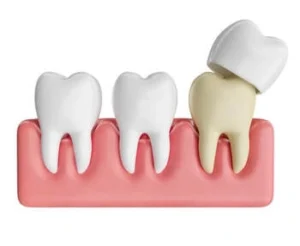
A dental crown is a tailored covering made to fit over the full visible portion of a tooth. When a broken tooth or cracked tooth weakens the natural tooth enamel, a crown provides structural support and prevents the affected tooth from breaking further. Crowns are especially helpful for decayed teeth, misshapen teeth and large fillings that no longer support the existing tooth reliably.
When A Crown Is Recommended
Your professional dentist may recommend a dental crown if you have: 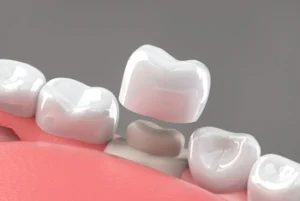
- A broken tooth that cannot be repaired with filling material alone
- A cracked tooth caused by a strong bite, trauma or grinding
- An affected tooth weakened after root canal treatment
- Decayed teeth with too much loss of natural enamel
- A damaged tooth that needs protection from everyday wear
- Out of sight molars that require extra durability
Because a custom dental crown fits over the natural teeth precisely, it restores both function and shape while blending with surrounding teeth.
Understanding The Dental Crown Procedure
The dental crown procedure usually takes place over two visits to the dentist’s office. Each step helps prepare the tooth properly and ensures the crown fits comfortably.
Preparing The Tooth
During your first visit, the professional dentist examines the tooth and removes any weakened or decayed areas. The tooth structure is reshaped so the new crown can sit securely without adding pressure to the gum line or surrounding teeth. If the inner pulp is infected or severely damaged, root canal treatment may be completed first to protect your dental health and prevent future discomfort.
The Role Of Temporary Crowns
After reshaping the tooth, your dentist places temporary crowns to protect the tooth while the dental office works with a laboratory to create crowns that match your natural teeth. These temporary crowns shield the existing tooth from sensitivity and further damage during the waiting period.
Placing The Permanent Crown
Once the permanent crown has been completed, you will visit the dentist’s office again for placement. The dentist checks how the crown fits, adjusts the edges for comfort and secures it with strong dental cement. A well-fitted crown feels natural, supports proper chewing and restores the full shape of the tooth.
Exploring The Different Types Of Dental Crowns
There are several types of dental crowns available, each offering different benefits depending on your needs, the location of the tooth, and how much natural enamel remains.
Ceramic Crowns And Porcelain Crowns
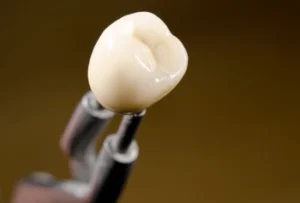
Ceramic crowns and porcelain crowns are popular for front teeth because they blend beautifully with natural teeth. Porcelain crowns, all-ceramic, are especially valued for their colour match and smooth finish, making them ideal for visible areas of the smile.
Porcelain Fused To Metal Crowns
Porcelain-fused-to-metal crowns combine aesthetic appeal with added strength. These crowns have a metal base covered with tooth coloured porcelain, offering durability for both front and back teeth.
Metal Crowns
Metal crowns are often used on out-of-sight molars where strength matters most. They are incredibly resilient and rarely chip or break, making them useful for people with strong bite forces or teeth that undergo high chewing pressure.
How Crowns Compare To Other Tooth Replacement Options
A dental crown is different from treatments like dental implants or a dental bridge. Crowns cover and strengthen an existing tooth, whereas dental implants replace missing teeth entirely. A dental bridge relies on tooth crowns on neighbouring teeth to support a replacement tooth in the middle. Your dentist will guide you toward the most suitable choice depending on whether the issue involves a damaged tooth or missing teeth that require full replacement.
How A Dental Crown Protects Your Tooth Long Term
Once placed, a new crown helps stabilise the affected tooth by covering vulnerable areas and preventing bacteria from entering. It restores proper chewing ability, protects weakened tooth structure and helps maintain the alignment of surrounding teeth. Crowns also help distribute bite forces evenly, reducing the risk of further damage.
Caring For Your Crown At Home
 Good dental care supports both your natural teeth and your new crown. Here are simple tips:
- Brush twice a day around the gum line gently.
- Floss carefully to keep the tooth and surrounding teeth clean
- Avoid biting hard items that may crack porcelain crowns
- Attend routine dental visits so your dentist can keep track of your overall dental health.
With proper care, a crown can last many years and continue to support the restored tooth effectively.
What To Expect After Getting A Dental Crown
After the dental crown procedure, it is normal to feel mild sensitivity while your tooth adjusts. This usually settles quickly. If you notice discomfort when biting, your dentist may make small adjustments so the crown fits comfortably. Most people adapt to their new crown within a few days and can enjoy normal eating and speaking again.
Final Thoughts On Choosing A Dental Crown For A Broken Tooth
 A dental crown for broken tooth repair offers a strong, reliable and natural-looking solution for restoring a damaged tooth. Whether your tooth has fractured, worn down or weakened after root canal treatment, getting a dental crown helps restore comfort, function and long-term dental health. With the right type of crown and professional care from a qualified dentist, you can confidently protect your tooth and maintain a healthy smile for many years ahead.
If you are considering a dental crown or need advice about a broken or cracked tooth, contact Balmoral Dental Centre on (07) 3113 9789 to book an appointment and receive personalised care.
Note: Any surgical or invasive procedure carries risks. Before proceeding, you should seek a second opinion from an appropriately qualified health practitioner.
References
NHS. (2025, February 17). Take care of your teeth and gums. https://www.nhs.uk/live-well/healthy-teeth-and-gums/take-care-of-your-teeth-and-gums/
Cleveland Clinic. (2025, July 10). Tooth enamel: What it is, function & care. https://my.clevelandclinic.org/health/body/24798-tooth-enamel
WebMD. (2024, October 14). Dental crowns: Purpose, procedure, complications, care. https://www.webmd.com/oral-health/dental-crowns