
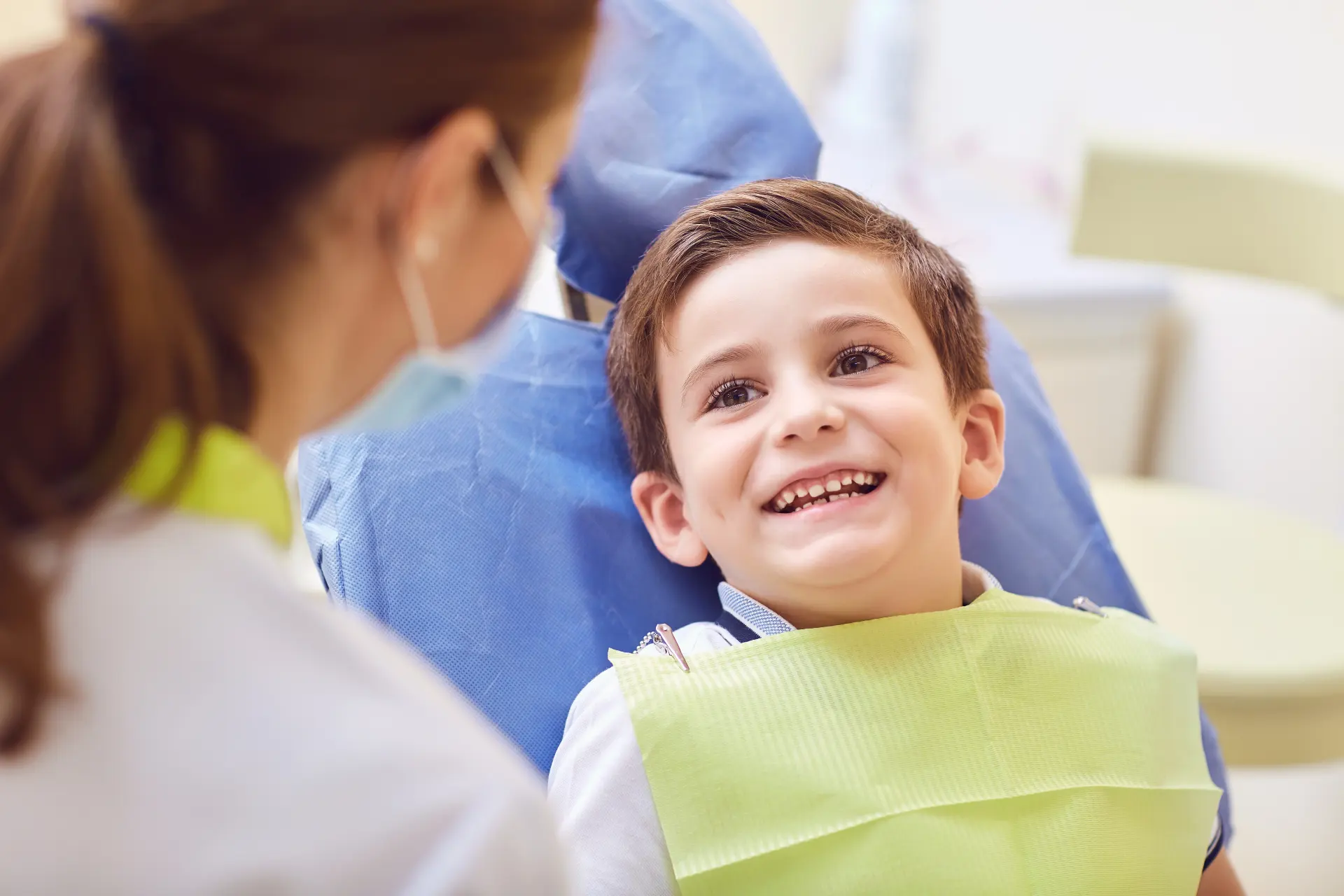
Dental caries, more commonly known as tooth decay, is the most prevalent chronic disease in Australian children. It is largely preventable, yet a significant proportion of children arrive at school age with untreated decay in their baby teeth. For parents, understanding how caries develops, what the early signs look like, and how to reduce the risk is one of the most practical things they can do for their child’s long-term dental health.
The encouraging part is that decay does not have to progress far before it can be stopped. Early detection gives the most options, and the habits built in early childhood tend to shape how a child’s teeth hold up for years beyond it. Details about dental care for children can help you understand what to expect at different stages of your child’s dental development.
Quick Overview
- Dental caries in children refers to the process of tooth decay affecting primary (baby) teeth, which is the most common oral disease in Australian children.
- It may affect children of any age, including infants, and often progresses without obvious pain until it has reached an advanced stage.
- Managing caries may involve professional treatment, changes to diet and hygiene habits, and preventive measures such as fluoride application, depending on the severity.
- How quickly caries develops and how well it responds to prevention depends on factors including diet, hygiene, saliva, fluoride exposure, and how early changes are identified.
- The first dental visit is the appropriate starting point for assessing risk and establishing a prevention routine suited to your child’s age and circumstances.
Keep reading to understand how dental caries develops in children, what the warning signs are, and what can be done to prevent and manage it.
What Is Dental Caries in Children?
Dental caries is the process by which bacteria in the mouth break down sugars from food and drinks, producing acids that gradually erode tooth enamel. Over time, this erosion creates a cavity, a permanent hole in the tooth that requires treatment. In children, the process can move faster than in adults because baby teeth have thinner, softer enamel that is more vulnerable to acid attack.
The bacteria responsible for decay are present in everyone’s mouth. What determines whether decay develops is the balance between damaging and protective factors: how often sugar reaches the teeth, how well the teeth are cleaned, how much fluoride is present, and how much saliva is available to buffer acid. When damaging factors consistently outweigh protective ones, decay takes hold.
Baby teeth matter. They are not simply placeholders; they help children chew food, develop speech, and guide the permanent teeth into correct position.
How Common Is Dental Caries in Children?
 Dental caries is common in Australian children. Around one in three children under five have tooth decay in their baby teeth. The condition is not limited to children from low-income households or rural areas, though these groups tend to experience higher rates.
Decay that goes untreated in primary teeth is associated with pain, disrupted sleep, difficulty eating, and, in some cases, days missed from school. It also increases the risk of caries developing in permanent teeth, which emerge while the child still has most of their baby teeth.
What Does Early Childhood Caries Look Like?
Caries in young children often begins in a form called early childhood caries, which can develop rapidly if the conditions driving it are not addressed. It is particularly associated with frequent consumption of sweet drinks, including fruit juice, and with putting babies to bed with a bottle of milk or other sweet liquid, which exposes teeth to sugar throughout the night.
The first signs of tooth decay in young children can be easy to miss. A dull white band along the gum line of the upper front teeth is typically the earliest visible sign. As decay progresses, this can change to yellow, brown, or black. The teeth most commonly affected first are the upper front teeth, followed by the back molars.
Parents can check their child’s teeth at home by gently lifting the top lip and rolling down the bottom lip to inspect the surfaces closest to the gum line. Any white, brown, or black spots that do not wipe off should prompt a visit to the dentist.
Risk Factors for Dental Caries in Children
Several factors increase a child’s risk of developing caries:
- Frequent sugar exposure: How often sugar reaches the teeth is more significant than the total amount consumed. Grazing on sweet snacks or drinks throughout the day keeps acid levels elevated for longer.
- Poor oral hygiene: Plaque that is not removed regularly allows bacteria to produce acid uninterrupted.
- Bottle feeding practices: White or brown spots on teeth can be early indicators of decay from prolonged bottle use or sleeping with a bottle.
- Low fluoride exposure: Fluoride strengthens enamel and makes it more resistant to acid. Children in non-fluoridated water areas, or who do not use fluoride toothpaste, are at greater risk.
- Enamel defects: Some children are born with or develop defects in their enamel that make teeth more susceptible to decay.
- Socioeconomic and access factors: Lower household income and limited access to dental services are consistently associated with higher rates of untreated caries.
How to Prevent Dental Caries in Children
The most effective approach to preventing caries in children combines good daily habits with regular professional check-ups.
Start early. Begin cleaning your baby’s teeth as soon as the first tooth appears, using a soft cloth or infant toothbrush and age-appropriate fluoride toothpaste. As children get older, brushing twice daily with fluoride toothpaste remains the baseline recommendation.
Limit sugary foods and drinks. Water and plain milk are the best daily drinks for children. Fruit juice, cordials, flavoured milk, and soft drinks should be occasional rather than daily. Avoid putting a child to bed with a bottle of anything other than water.
Fluoride. Fluoridated tap water provides a background level of protection for children in areas where it is available. Using age-appropriate fluoride toothpaste from the first tooth and onwards is recommended regardless of whether your water supply is fluoridated.
Regular dental visits. Early and regular dental check-ups allow a dentist to assess decay risk, monitor development, and apply preventive treatments such as fluoride varnish where appropriate.
When to See a Dentist
 If you notice any spots, discolouration, or unusual changes in your child’s teeth, it is worth booking a dental appointment rather than waiting for the next scheduled check-up. Decay caught early can often be managed without extensive treatment. Left untreated, it requires progressively more involved intervention.
At Balmoral Dental Centre, we see children from their very first tooth and take a calm, unhurried approach with young patients. We are open seven days a week, including weekends, which makes it easier to find a time that suits your family.
If it has been a while since your child’s last dental visit, or if you have noticed any changes in their teeth, we welcome you to get in touch.
Book an appointment today! Call us on (07) 3113 9789.
Frequently Asked Questions
At what age should a child first see a dentist?
The recommended time for a first dental visit is around the eruption of the first tooth, or no later than the first birthday. Early visits allow a dentist to check for any signs of decay, assess developmental patterns, and give parents practical guidance on cleaning and diet appropriate to the child’s age. Starting early also helps children become familiar with the dental environment before any treatment is needed.
Can baby teeth get cavities even if a child brushes regularly?
Yes. Brushing is one part of decay prevention, but it does not fully neutralise the effect of frequent sugar exposure. A child who brushes daily but drinks fruit juice or sweet drinks throughout the day may still develop caries because the acid produced by bacteria between brushing sessions is enough to erode enamel over time. Both the frequency of sugar contact and the quality of cleaning matter.
References
Healthdirect Australia. (2025). ‘Tooth Decay’. Healthdirect Australia, June. Canberra, ACT: Australian Government. https://www.healthdirect.gov.au/tooth-decay
Better Health Channel. (n.d.). ‘Tooth Decay — Young Children’. Better Health Channel. Melbourne, VIC: State Government of Victoria, Department of Health. https://www.betterhealth.vic.gov.au/health/conditionsandtreatments/tooth-decay-young-children
Australian Dental Association. (n.d.). ‘Baby and Toddler Oral Health’. Teeth.org.au. Sydney, NSW: Australian Dental Association. https://www.teeth.org.au/babies-and-toddlers