

If you have small gaps between your teeth and want a subtle way to enhance your smile, dental bonding is often one of the first cosmetic options people explore. It is a popular choice because it focuses on minimal preparation, natural-looking results, and convenience. Understanding the cost of dental bonding for gaps helps set realistic expectations and allows you to decide whether this cosmetic dental treatment suits your needs and budget.
Dental bonding is a cosmetic dental treatment in which a tooth-coloured composite resin is applied to teeth to adjust their shape or close small gaps between natural teeth. It is designed to blend in with your real tooth structure while preserving as much of the original tooth as possible. For many patients, bonding is a cosmetic solution that feels approachable, flexible, and straightforward.
This guide walks through how bonding works, what affects bonding cost, what to expect during treatment, and how it compares with other cosmetic dental treatments such as porcelain veneers.
What Is Dental Bonding and Why Is It Used for Gaps
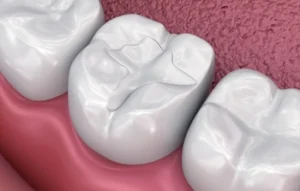 Dental bonding involves applying a resin material directly to the tooth’s surface to improve shape, size, or appearance. When used for gaps, the bonding material is carefully shaped to close the space while maintaining a balanced, natural-looking tooth profile.
Bonded teeth can be an effective option for people with slightly misaligned teeth, small gaps, chipped edges, or uneven tooth shapes. It is also commonly used to repair broken or damaged teeth when the goal is cosmetic improvement rather than a full restorative procedure.
Unlike veneers, dental bonding does not usually require enamel removal. This means the real tooth structure remains largely intact, which is appealing for patients seeking conservative cosmetic dental procedures.
How Dental Bonding Differs from Other Cosmetic Dental Treatments
Dental bonding is often compared with porcelain veneers and composite veneers, but there are important differences. Bonding uses tooth coloured composite resin that is applied and shaped directly on the tooth in a single visit. Porcelain veneers typically involve multiple visits and a laboratory stage.
Bonding is a cosmetic approach rather than a long-term restorative solution. It is more suitable for minor cosmetic concerns rather than major structural issues, making it an option for people who want to enhance their smile without undergoing more invasive procedures.
Understanding Dental Bonding for Gaps Cost and How Pricing Is Worked Out
When people search for dental bonding for gaps cost, they are usually looking for a clear idea of affordability. In Australia, the bonding cost can vary depending on several factors. Instead of fixed pricing, clinics generally provide a starting price per tooth, with the final cost varying depending on individual needs.
Dental bonding is typically priced per tooth. The starting price reflects a simple case involving minimal preparation and straightforward shaping. More complex cases may vary depending on tooth preparation, the amount of bonding material used, and the time required.
It is important to remember that bonding cost is influenced by the artistry involved. Achieving a natural-looking result that blends smoothly with surrounding teeth involves precise shaping, accurate colour matching, and careful finishing.
What Affects the Cost of Dental Bonding
Several elements cause the cost of dental bonding for gaps to vary depending on the situation.
The size of the gap plays a role. Closing a very small space requires less composite resin than reshaping a wider gap.
The number of teeth involved also matters. Bonding cost is usually calculated per tooth, so treating multiple teeth increases the overall investment.
The condition of the tooth’s surface is another factor. Teeth that need repair, chips, or broken edges may require more preparation and resin material.
Time is also important. Most bonding appointments take around 60 minutes per tooth, though simpler cases may be quicker.
Starting Price and What It Represents
Most clinics advertise a starting price per tooth for dental bonding. This figure usually applies to uncomplicated cases completed in a single visit. More detailed work may involve additional shaping, layering, or adjustments that influence the final fee.
During the initial consultation, your dentist will review your teeth and explain how the bonding procedure may be adapted for you. It is also the ideal time to talk through costs and clarify what the treatment includes.
The Composite Bonding Procedure Step by Step
Understanding how the composite bonding procedure works can make the process feel less intimidating.
Initial Consultation and Smile Assessment
The process starts with an initial consultation, where your dentist assesses your teeth, listens to your concerns, and decides whether dental bonding is an appropriate option. This evaluation takes into account your natural teeth, bite alignment, oral hygiene habits, and overall cosmetic goals.
Photographs or digital scans may be taken to help plan the final shape and resin shade.
Tooth Preparation and Conditioning
One of the reasons bonding is popular is its minimal preparation. In most cases, tooth preparation is limited to gentle cleaning of the tooth’s surface. Enamel removal is usually not required, unlike veneers.
A conditioning liquid is applied to the tooth’s surface. This step helps the resin adhere securely to the enamel. The conditioning process prepares the tooth structure without compromising its integrity.
 Applying and Shaping the Bonding Material
 Applying and Shaping the Bonding Material
After the tooth has been prepared, the dentist carefully applies the tooth coloured composite resin to the surface. The resin material is carefully layered and shaped to close the gap and create a natural-looking tooth.
Choosing the correct resin shade is essential. The goal is to match your surrounding teeth so the bonded area blends in seamlessly with your smile.
Curing with a Special Light
After shaping, a special light is used to harden the resin. This is often referred to as a blue UV light. The light activates the composite resin and allows it to set firmly onto the tooth’s surface.
This step is repeated for each layer until the desired shape and strength are achieved.
Final Shaping and Polishing
Once cured, the bonded teeth are refined and polished. This step improves the smoothness and lustre of the tooth, letting it blend naturally with the rest of your smile.
The entire procedure involves just one visit for most patients, making it a convenient option compared with treatments that require multiple visits.
How Long Does Dental Bonding Take
Dental bonding is often completely done in just one appointment. Most appointments take around 60 minutes per tooth. If multiple teeth are being treated, the appointment length increases accordingly.
Unlike veneers, bonding rarely requires temporary restorations or follow-up fitting appointments. This makes it appealing for people seeking immediate cosmetic benefits without a lengthy treatment timeline.
Is Dental Bonding Right for Crooked Teeth and Gaps
Dental bonding works best for small gaps and slightly misaligned teeth. It can visually improve alignment by reshaping tooth edges, creating the appearance of straighter teeth.
For more pronounced crooked teeth or larger gaps, other cosmetic dental treatments may be more suitable. Orthodontic options or porcelain veneers may be recommended in those cases.
Bonding is a cosmetic solution rather than a corrective one. It enhances appearance but does not change the underlying tooth position.
Dental Bonding Compared with Veneers
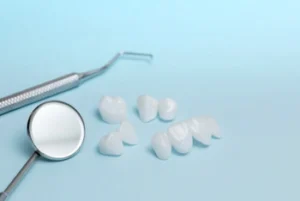 Many patients compare dental bonding with porcelain veneers when considering cosmetic dental treatments.
Unlike veneers, bonding usually does not involve enamel removal. This makes it a more conservative option.
Bonding is also typically completed in a single visit, while veneers often require multiple visits and laboratory fabrication.
However, veneers may offer greater durability for some patients. Your dentist can explain which option aligns with your goals and oral health.
Durability and Longevity of Bonded Teeth
With appropriate care, bonded teeth can remain in good condition for several years. Their lifespan varies according to factors such as oral hygiene habits, diet, and how the teeth are used.
While composite resin is durable, it is not as strong as porcelain and can be more susceptible to chipping if hard objects are bitten or teeth are used as tools.
Maintaining proper care and attending regular dental check-ups can help bonded teeth retain their appearance and function over time.
Caring for Bonded Teeth After Treatment
Proper care is essential to protect your bonding investment.
Maintaining a good oral hygiene routine, including brushing twice a day and flossing regularly, helps protect the bonded area as well as the surrounding natural teeth.
Avoid biting hard things like ice, pens, or fingernails, as these can damage the resin material.
Limiting foods and drinks that commonly stain teeth can help keep the bonding looking its original colour. Composite resin can stain over time, unlike porcelain.
Routine dental check-ups help your dentist monitor bonded teeth and carry out small adjustments if necessary.
Can Dental Bonding Be Repaired or Adjusted
One advantage of dental bonding is its flexibility. If a bonded area chips or wears down, it can often be repaired or adjusted without replacing the entire restoration.
This makes bonding a practical choice for people who want an adaptable cosmetic solution.
Does Health Insurance Cover Dental Bonding
Dental bonding is considered cosmetic dental care. Health insurance and private health insurance policies usually do not cover cosmetic dental procedures.
However, if teeth bonding is used as part of a restorative procedure to repair damaged teeth, some health insurance plans may offer partial benefits. Coverage varies depending on the policy.
It is always advisable to check with your health insurance provider before treatment to understand what is included.
Who Can Benefit Most from Dental Bonding?
Dental bonding is suitable for people with healthy, natural teeth and gums who want to address small gaps, chips, or uneven edges.
It works well for patients seeking cosmetic benefits without invasive procedures or extensive tooth preparation.
Bonding may not be suitable for people with severe alignment issues, extensive tooth damage, or habits such as teeth grinding that place excessive stress on the resin.
Why an Initial Consultation Matters
An initial consultation allows your dentist to assess whether bonding is the right option for you. This appointment helps set expectations around results, bonding cost, and longevity.
It also provides an opportunity to explore other cosmetic dental treatments if bonding is not the best fit for your goals.
Final Thoughts on Dental Bonding for Gaps Cost
Dental bonding offers a simple, conservative way to enhance your smile by closing small gaps and improving tooth shape. Understanding dental bonding for gaps cost starts with recognising that pricing is typically based on a starting price per tooth and can vary depending on individual needs.
The composite bonding procedure is designed to be efficient, gentle, and visually appealing. With minimal preparation, just one visit, and natural-looking results, bonding continues to be a popular choice in cosmetic dental care.
If you are considering dental bonding, book an appointment with Balmoral Dental Centre at (07) 3113 9789 to understand how this cosmetic dental treatment fits into your smile goals and overall oral health.
References
Cleveland Clinic. (n.d.). Cosmetic dentistry: Purpose, procedures & benefits. Retrieved from https://my.clevelandclinic.org/health/treatments/23914-cosmetic-dentistry
ScienceDirect. (n.d.). Resin composite. In ScienceDirect topics. Retrieved from https://www.sciencedirect.com/topics/engineering/resin-composite
Colgate. (n.d.). What is good oral hygiene?. Retrieved from https://www.colgate.com/en-us/oral-health/adult-oral-care/what-is-good-oral-hygiene
WebMD. (n.d.). What is dental bonding and how does it work?. Retrieved from https://www.webmd.com/oral-health/dental-bonding