

Deciding between braces vs clear aligners can feel confusing, especially when considering how each orthodontic treatment fits your lifestyle, budget and goals. Both options are widely used in orthodontics and are designed to move teeth into a desired position over time. However, the way they work, how they look and what they require from patients can be quite different.
This guide walks through all the information you need to compare braces vs clear aligners so you can make a decision that feels right for you.
How Orthodontic Treatment Moves Teeth
Orthodontic treatment uses gentle, controlled pressure to guide teeth as they slowly move into their correct position over time. This process is known as tooth movement. A dentist carefully plans how much force is applied and how long treatment should last to correct orthodontic problems such as crowding, gaps or bite issues.
Both braces and aligners aim to guide teeth into a correct position, but they use different tools to do so.
Understanding Traditional Braces and How They Work
Traditional braces have been used for decades and remain a reliable option in most cases.
What Are Traditional Braces Made Of
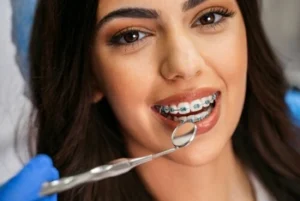 Traditional braces usually consist of brackets bonded to the teeth and connected by metal wires. These wires are adjusted over time to guide tooth movement. Some patients may also need rubber bands to help correct bite alignment.
There are multiple types of braces available today, including metal braces, ceramic braces and lingual braces. Metal braces are the most noticeable, while ceramic braces blend more with natural teeth. Lingual braces sit on the inside of the teeth, making them less visible from the outside.
Why Braces Are Still Widely Used
Braces are capable of addressing a wide range of orthodontic problems and are suitable for most cases, including more complex alignment concerns. Unlike braces that rely on patient compliance, traditional braces work continuously because they are fixed in place.
This can be helpful for patients who may forget to wear removable appliances or struggle with consistency.
What Clear Aligners Are and How They Differ
Clear aligners are an alternative orthodontic treatment that uses a set of plastic aligners to move teeth gradually.
How Clear Aligners Work
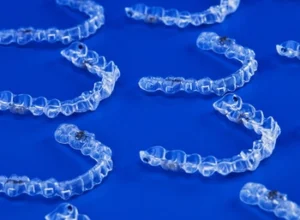
Aligners are customised trays that fit over the teeth. Each set is worn for a specific period before switching to the next one. Over time, this process guides teeth toward their desired position.
Clear aligners are often described as virtually invisible, making them a discreet option for people concerned about appearance. Because they are removable, patients can take them out to eat, brush and floss.
The Role of Patient Compliance
Unlike braces, aligners depend heavily on patient compliance. To be effective, aligners must be worn for the recommended number of hours each day. Not all patients find this easy, especially those with busy lifestyles or habits that involve frequent snacking.
If aligners are not worn as instructed, treatment time can increase, and results may be less predictable.
Braces vs Clear Aligners for Appearance and Lifestyle
Appearance and lifestyle often play a big role in the decision between braces vs clear aligners.
Braces are more noticeable, especially metal braces with visible brackets and metal wires. Some patients experience initial discomfort where brackets rub against the lips or mouth, though this usually settles with time.
Clear aligners are discreet and less noticeable, which appeals to many adult patients. They can be removed for social events, meals and special occasions, which makes them easier to fit into certain lifestyles.
However, the removable nature of aligners also means there is a risk of losing them or forgetting to wear them.
Eating, Cleaning and Daily Care
Eating, cleaning and daily care play an important role in how comfortable and effective orthodontic treatment feels on a day-to-day basis. Understanding how braces and aligners affect your eating habits, oral hygiene routine, and overall mouth care can help you prepare for treatment and avoid unnecessary issues along the way.
Eating With Braces and Aligners
With braces, patients need to avoid hard foods that can damage brackets or wires. Foods that are sticky or crunchy may increase the risk of breakages and require extra visits to the dentist.
Clear aligners allow more freedom when it comes to eating because they are removable. Patients can eat normally as long as the aligners are taken out during meals.
Oral Hygiene and Cleaning
Braces require careful brushing and flossing routines. Cleaning around brackets and wires can take more time, and maintaining good dental hygiene is essential to reduce the risk of decay.
Aligners make it easier to brush and floss because they are removed during cleaning. However, aligners themselves must also be cleaned regularly to prevent bacterial buildup.
Treatment Time and Follow-Up Visits
 Treatment time can differ based on how complex the case is, whether braces or aligners are used, and how closely patients follow their dentist’s instructions.
Braces often require regular adjustments and may require extra visits to manage wires, brackets or rubber bands. Aligners may also require extra visits, especially if refinements are needed.
In most cases, both options can deliver effective results when used correctly. Cons matter when it comes to choosing the right treatment approach.
Cost, Comfort and Other Considerations
Cost is another factor that can influence your decision. The overall cost depends on treatment length, complexity and the type of orthodontic treatment chosen.
Braces may cause more noticeable discomfort initially due to pressure from metal components and adjustments. Aligners can also cause discomfort when switching to a new set, but many patients find this more manageable.
There is also a small risk of irritation to the mouth or lips with braces, while aligners may cause dryness if not cleaned properly.
Is One Option Better Than the Other
When comparing braces vs clear aligners, there is no one-size-fits-all answer. Not all orthodontic problems can be treated with aligners, and braces remain the preferred option for certain cases.
Clear aligners may suit patients who prioritise appearance and flexibility, while braces may be more suitable for complex tooth movement or those who prefer a fixed solution.
Making the Decision Easier With Professional Guidance
The best way to make an informed decision is to book a consultation with a dental professional. During this discussion, your dentist can assess your teeth, explain suitable options and help you understand the advantages and disadvantages of each approach.
By gathering all the information and openly discussing your concerns, goals and lifestyle, you can make an informed decision that supports long-term oral health and confidence.
Final Thoughts on Choosing Between Braces and Aligners
 Choosing between braces vs clear aligners is a personal decision shaped by comfort, appearance, treatment time and daily habits. Both options are proven ways to treat orthodontic issues and guide teeth into a correct position.
With the right advice and realistic expectations, orthodontic treatment can feel less daunting and more empowering. Taking the time to explore your options makes the decision easier and helps ensure your treatment journey feels well supported from start to finish.
If you are considering orthodontic treatment and want personalised guidance, booking a consultation with Balmoral Dental Centre can help you understand which option may suit your needs. You can contact their team on (07) 3113 9789 to discuss your concerns, goals and next steps.
References
Colgate. (n.d.). How to practice good oral hygiene with braces. Colgate. https://www.colgate.com/en-us/oral-health/kids-oral-care/how-to-practice-oral-hygiene-with-braces
Orthodontics Australia. (2025, July 17). All about clear aligners. https://orthodonticsaustralia.org.au/all-about-clear-aligners/
Santhakumar, S. (2022, February 7). Metal braces: Uses, costs, benefits, and more. Medical News Today. https://www.medicalnewstoday.com/articles/metal-braces-uses-costs-benefits-and-more-2