

A full lower denture can be a practical and life-changing solution for people who have lost all lower teeth. While replacing teeth in the lower jaw can be more challenging than in the upper jaw, modern approaches to full dentures offer improved comfort, function and appearance for many patients. This complete guide explores how lower full dentures work, what to expect during treatment, and how to care for new dentures long-term.
Whether tooth loss has occurred due to gum disease, medical conditions or tooth extraction over time, understanding your options can help you feel more confident about restoring your smile and daily comfort.
What Is a Full Lower Denture?
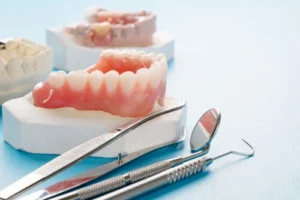 A full lower denture, also known as lower full dentures or complete dentures, is a removable dental appliance designed to replace all missing lower teeth. It sits directly on the gums and soft tissue of the lower jaw and holds prosthetic teeth that restore appearance and function.
Unlike upper dentures, which benefit from suction against the roof of the mouth, a lower denture relies more heavily on fit, muscle control and jaw shape. This is why denture movement is more common in the lower jaw and why careful planning is essential.
Full dentures may be used on their own or combined with dental implants for added stability, depending on individual needs and general health.
Why Replacing Lower Teeth Matters
Losing lower teeth affects more than just appearance. Lower teeth play a key role in eating and speaking, jaw balance and facial structure. Without replacement, the lower jaw can gradually lose bone volume, which may change the shape of the mouth and face over time.
Many patients also notice discomfort, difficulty chewing and reduced confidence in social settings. Replacing missing teeth with full dentures helps support the jaw, maintain facial shape and restore everyday function.
When Is a Full Lower Denture Recommended?
A full lower denture may be recommended when all natural teeth in the lower jaw are missing or need to be removed. This can occur due to advanced gum disease, repeated infections, trauma or long-term dental issues.
Especially those with widespread tooth damage or ongoing discomfort may benefit from complete dentures rather than repeated individual treatments. A dentist will assess the gums, soft tissue, jaw structure and general health before recommending the most suitable option.
Conventional Dentures Versus Implant-Supported Options
Choosing between conventional dentures and implant-supported options is an important decision that can influence comfort, stability and long-term satisfaction. Each approach offers distinct benefits depending on jaw structure, general health and personal preferences, making it essential to understand how they differ before selecting the most suitable solution.
Conventional Lower Dentures
Conventional dentures rest directly on the gums and rely on close contact with the soft tissue for support. They are shaped to fit the contours of the lower jaw and held in place by muscle coordination and gravity.
While traditional dentures are widely used and effective, dentures may feel less stable in the lower jaw compared to the upper jaw. Some movement during eating and speaking is common, particularly during the adjustment period with new dentures.
Implant-Supported Lower Dentures
For added stability, some patients choose lower dentures supported by dental implants. This approach uses implants placed into the jawbone to anchor the denture using an attachment method such as clips or bars.
In many cases, two implants are enough to provide noticeable added stability, although more implants may be recommended in certain situations. Implant-supported dentures reduce movement, improve comfort and allow for a stronger biting force.
Implants may not be suitable for everyone, especially those with certain medical conditions or reduced bone density. A thorough assessment helps determine whether implants are appropriate.
From First Visit to Final Fit: How the Treatment Process Works
Getting a full lower denture is usually a staged process, designed to support comfort, healing and a fit that works well for everyday life. While the exact timeline can vary depending on your mouth, gums and general health, most patients move through the steps below with regular visits and small adjustments along the way.
Initial Consultation and Planning
The journey begins with a detailed consultation. The dentist examines the mouth, gums and jaw and reviews medical conditions and general health. Imaging may be taken to assess bone levels and soft tissue shape.
This stage is essential for planning dentures that fit properly and feel comfortable long-term.
Tooth Extraction and Healing
If any lower teeth remain, tooth extraction may be required before fitting a full lower denture. In some cases, an immediate denture is placed on the same day as extractions. This allows patients to avoid being without teeth while the gums heal.
As healing progresses, changes in gum tissue and jaw shape are expected. Dentures often require adjustment or relining during this period.
Denture Design and Fitting
Once healing is complete, impressions are taken to create dentures that match the shape of the mouth. Bite alignment, tooth position and appearance are carefully planned to support eating and speaking.
The final fitting ensures the denture sits comfortably on the gums and allows for natural movement of the tongue and jaw.
Adjusting to New Lower Dentures
 Adjusting to new dentures takes time and patience. It is normal to experience mild discomfort, increased saliva or difficulty speaking clearly in the early days.
Practising speech aloud, starting with softer foods and following care instructions, helps speed up the adjustment process. Regular visits allow the dentist to fine-tune the fit and address pressure points.
Many patients find that comfort improves significantly within a few weeks.
Eating and Speaking With Confidence
Learning to eat with a lower denture is a gradual process. Soft foods are recommended initially, progressing to firmer textures as confidence builds. Cutting food into smaller pieces and chewing evenly on both sides of the mouth helps improve stability.
Speaking may feel unfamiliar at first, but practising regularly helps the tongue and jaw adapt. With time, most people regain clear speech and comfort in everyday conversations.
Caring for Your Full Lower Denture
Proper care extends the life of dentures and protects the gums and soft tissue.
Dentures should be cleaned daily using a soft brush and mild soap. Harsh toothpaste and hot water should be avoided, as they can damage the surface or alter the shape. Rinsing after meals helps remove food debris and maintain oral hygiene.
The gums and mouth should also be cleaned gently to support circulation and reduce the risk of irritation or gum disease. Dry mouth can increase discomfort, so staying hydrated is important.
The Importance of Regular Dental Visits
Even without natural teeth, regular visits to the dentist remain essential. Over time, changes in the jaw and gums can affect how dentures fit. Adjustments help prevent sore spots and improve comfort.
Routine checkups also allow early detection of soft tissue issues and ensure dentures continue to function as intended. Dentures may need relining or replacement as the mouth changes.
Understanding Fixed Denture Alternatives
Some people explore fixed dentures or a fixed bridge as alternatives to removable dentures. These options rely on multiple implants and are permanently attached. While they offer excellent stability, they involve more implants, higher costs and longer treatment times.
A dentist can help compare fixed dentures, implant-supported options and conventional dentures to find the most suitable solution for individual needs.
Who Benefits Most From Full Lower Dentures?
Full lower dentures are suitable for many patients who have lost all lower teeth and want to restore function and appearance. They are particularly helpful for those seeking a non-surgical option or those managing complex medical conditions.
Implant-supported dentures may benefit people who struggle with denture movement and want added stability without committing to a fully fixed solution.
Final Thoughts on Full Lower Dentures
 A full lower denture can restore comfort, confidence and daily function when designed and fitted with care. While the lower jaw presents unique challenges, modern denture techniques and implant options have made outcomes more predictable and comfortable than ever before.
With realistic expectations, proper care and regular visits, many patients enjoy long-term comfort and improved quality of life with lower full dentures. If you are considering dentures, a personalised consultation is the best first step toward a solution that supports your mouth, jaw and overall wellbeing.
If you are considering a full lower denture and want personalised guidance, the team at Balmoral Dental Centre can help you explore the most suitable options for your needs. Book a consultation at (07) 3113 9789 to receive thoughtful care, clear advice and support at every stage of your denture journey.
Note: Any surgical or invasive procedure carries risks. Before proceeding, you should seek a second opinion from an appropriately qualified health practitioner.
References
National Health Service. (n.d.). How to keep your teeth clean. https://www.nhs.uk/live-well/healthy-teeth-and-gums/how-to-keep-your-teeth-clean/
Mayo Clinic. (n.d.). Dental implant surgery. https://www.mayoclinic.org/tests-procedures/dental-implant-surgery/about/pac-20384622
ScienceDirect. (n.d.). Complete denture. https://www.sciencedirect.com/topics/nursing-and-health-professions/complete-denture